

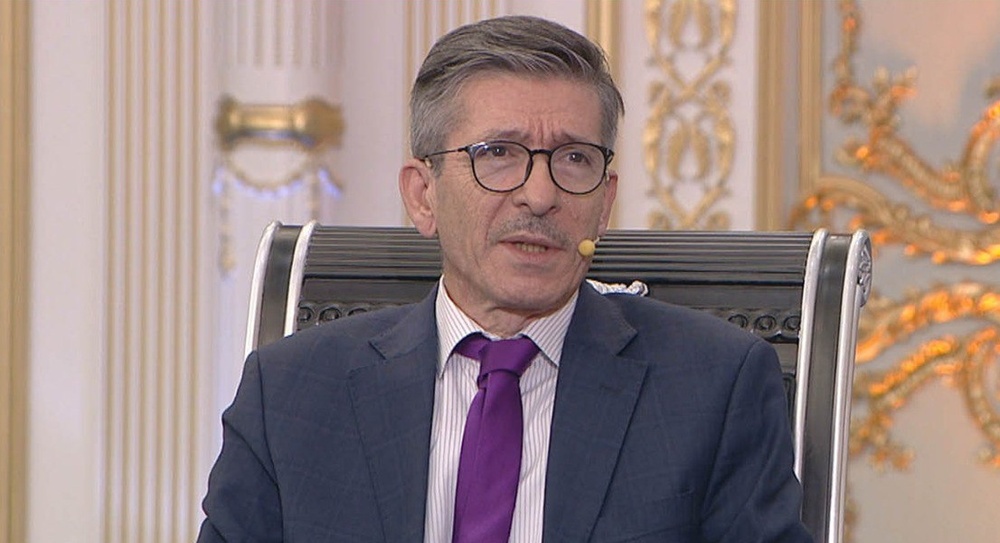
According to Kordpress, Gonesh Dashli, a researcher in the field of transitional justice, referring to the discussion of the possible return of PKK guerrillas in the framework of the peace process, emphasized that this process does not end only with disarmament and requires legal guarantees, accepting historical responsibilities, creating a platform for political participation and implementing transitional justice mechanisms. He warned that in the absence of these conditions, the return of the troops could face security, judicial and social risks and challenge the peace process.
At the same time as the discussions about the peace process and the possibility of the Kurdistan Workers' Party (PKK) members and guerrillas returning to the civil and political arena, Gonesh Dashli, a researcher in the field of transitional justice, emphasized that this return will not be achieved just by issuing a law or handing over weapons and requires a series of political, legal and social guarantees.
In a detailed conversation with Mesopotamia about the current process, Dashley stated that global experience shows that disarmament usually takes place after the establishment of legal and political platforms. Referring to examples such as Northern Ireland, Colombia and Nepal, he said: "It's not just about returning people; Rather, the society, government institutions and security structures should also prepare for this stage."
According to him, one of the most important issues is ensuring the security and future of people who decide to return after years of being in the armed struggle. Referring to the experience of some countries, Dashli said: "If a law is passed today, how do we know that in a few years, a court case will not be filed against these people again?" This is the place where the necessity of legal guarantees shows itself."
This transitional justice researcher emphasized that the discussion of the return of the guerrillas is directly linked to the concept of justice. He said: "If people at some point in history, as a result of policies and violations of rights by the government, abandoned their normal life and turned to armed struggle, now the government should provide the conditions for their return." This is a matter of justice."
He added that the government should not only look at disarmament as a security measure, but should also provide the grounds for repairing the damage by accepting part of its historical responsibilities. "The government should say in some way: 'Yes, mistakes have been made. These mistakes have led to this situation and now we want to make up for it,'" Dashley said. "Without such an approach, the restoration mechanism will not be formed."
Dashli also emphasized the need to pay attention to the roots of the crisis and said that any legal framework should also address the reasons for the formation of the conflict. He believes that legal guarantees become meaningful only when the government pays attention to the historical causes of the problem.
From his point of view, the return of the guerrillas does not only mean a physical return to the cities, but also the possibility of their political and social participation should be provided. Referring to the experience of Northern Ireland, Dashley said: "People who have been involved in political activity and struggle for years should be able to continue working as political subjects after they return."
In one of the most important parts of this conversation, he emphasized: "After returning, the guerrillas should be able to engage in political activities if they wish." If they want to be active in social fields, this possibility should be available to them. "People who have been in politics for many years should be able to easily be in the public arena after returning."
This researcher also warned about the social dangers of the post-return period and said that only passing the law is not enough. According to him, the society should also prepare for this transformation. He explained: "We should think about these questions from now on, what will be the reaction of the society, security forces and various institutions to the return of these people. This preparation must be made in advance."
Dashley further mentioned Ireland's experience; where many ex-combatants participated in social and political activities after the end of the conflicts. He said that in that experience, even some former fighters narrated the history of the conflict and transferred their experiences to the next generations and became a part of the social reconciliation process.
He also emphasized that the return process should not only focus on the guerrillas themselves, but their families and relatives also need support and restoration. According to him, decades of separation, prison, conflict and violence have caused damages that cannot be compensated without social and psychological programs.
In the end, Dashley noted that the success of any peace process depends on the government's readiness to implement democratic reforms and create sustainable guarantees. He said that the return of the guerrillas can become part of a sustainable peace when legal security, the possibility of political activity, transitional justice mechanisms and mutual acceptance of the parties are provided at the same time.




Your Comment