

According to Kordpress, the article of the Italian foreign relations think tank describes the process of integration of the Autonomous Administration of North and East Syria into the structure of the central government, not an "equal agreement", but a product of the change in the balance of power after the stabilization of the transitional government in Damascus. The main focus of the analysis is that the Syrian Kurds, after years of relying on American support and the fight against ISIS, are now in a position where they have to choose between maintaining a part of the presence in the Syrian government structure or losing their political achievements completely.
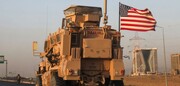
The author emphasizes that the main turning point was the change in the international status of Damascus. According to the article, when the government of Syrian President Ahmad al-Shora managed to get out of international isolation and the sanctions were reduced, the strategic value of Damascus for Washington became greater than the "autonomous administration of North and East Syria". This change practically weakened the political and security support of the Kurds and made the US no longer have the previous motivation to maintain a non-state armed actor such as the "Syrian Democratic Forces".
The article says that the "Syrian Democratic Forces" had lost about 80% of the territory under their former control before the final agreement; An important part of this retreat was caused by the loss of forces and the distancing of Arab elements from the Kurdish structure. In such a situation, the Kurds did not have the ability to confront Damascus militarily without the guarantee of America, and they were forced to accept the conditions that they had previously opposed during 2025.
One of the key points of the article is "the security of the Kurdish issue". The author explains that the self-governing administration of the north and east of Syria was originally a political-ideological project based on the ideas of Abdullah Ocalan, the imprisoned leader of the PKK, and the concept of "democratic council self-governance";A project that emphasized local councils, bottom-up participation and cooperative economy. But in practice, the West and international allies of the Kurds saw this project mainly from a military point of view and the fight against ISIS. For this reason, in the negotiations with Damascus, the political representatives of the autonomous administration were almost sidelined, and the military commanders of the Syrian Democratic Forces, especially Mazloum Kobani, became the focus of the negotiations.
According to Gilia Fabrizi, the author of the article, this security view made the discussion about the political and legal future of Kurdish self-governance to be marginalized and the negotiations were almost reduced to the case of disarmament and military integration. The article describes the situation as the "silent gradual dissolution of the Rojava project."
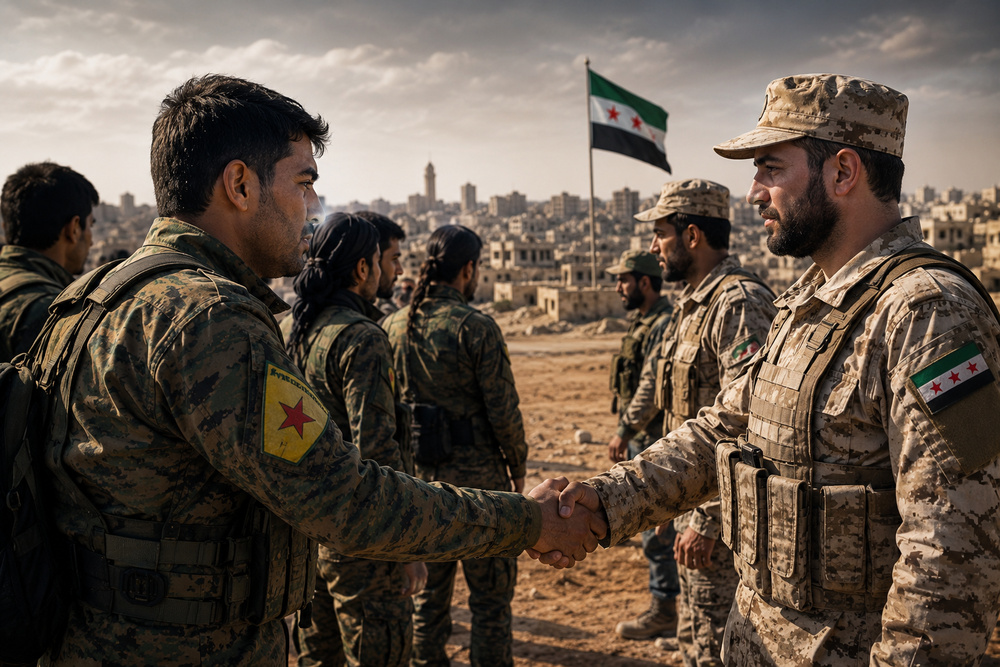
In another section, the paper explains the details of structural integration:
About 50,000 employees and administrative staff of the self-governing administration enter the Syrian government's salary collection system;
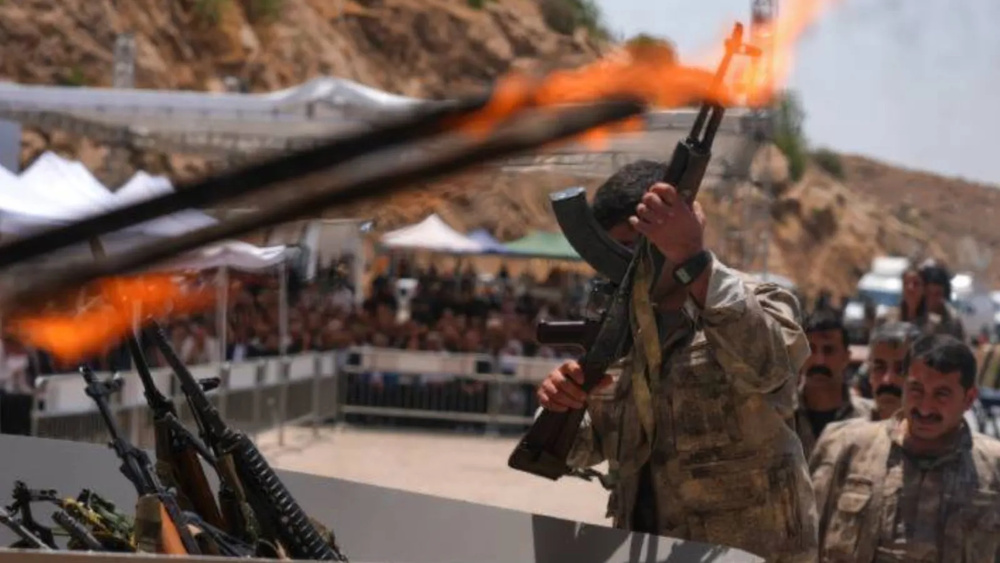
Four Kurdish military brigades will operate within the framework of the Syrian army;
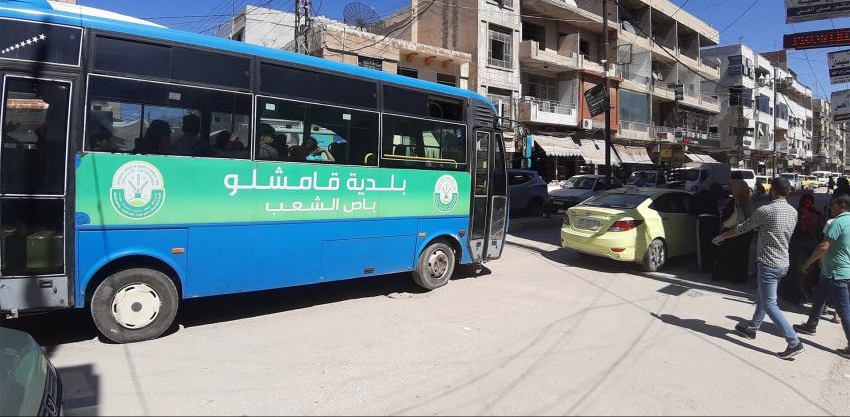
Government forces have expanded their presence in Haskeh, Qamishlo and Kobani;
And the checkpoints between the areas under the control of Damascus and the former self-governing areas will be gradually removed.
However, the article emphasizes that Damascus has also made symbolic and limited concessions; including:
Granting citizenship to thousands of Kurds without birth certificates.
Recognizing the Kurdish language as the "national language",
You allowed teaching in the language,
and the officialization of Nowruz at the national level.
But the author believes that these concessions still do not mean the real acceptance of ethnic and political pluralism in Syria. Especially since many of the figures proposed by the Syrian Democratic Forces for government positions were rejected and the share of Kurds in the new parliament remained very low.
The article also points to the internal division in the Syrian Kurdish community. According to this analysis, a part of Kurdish public opinion believes that the leadership of the Syrian Democratic Forces failed to reach a better agreement with Damascus at the right time and has now practically exchanged autonomy for integration into a centralized government.
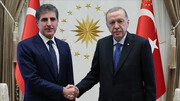
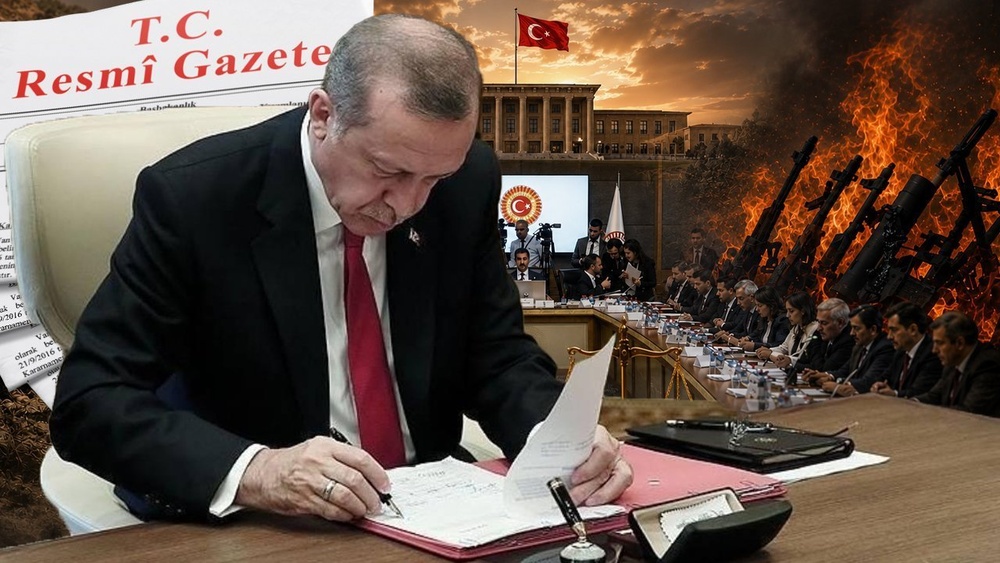
At the regional level, the article highlights the direct relationship of this process to the new negotiations between Türkiye and the Turkish Kurdistan Workers' Party. From Ankara's point of view, the case of the Syrian Kurds and the disarmament process of the Kurdistan Workers' Party are not two separate issues. For this reason, Türkiye supports the integration of the SDF into the Syrian central government structure, as it sees it as part of curbing the PKK's influence on its southern borders.
Finally, the conclusion of the article is that the project of the Kurdish self-governing administration in Syria, which was once considered one of the most ambitious examples of Kurdish self-governing in the Middle East, has now entered a stage that has prioritized the survival of the Syrian state structure over the preservation of practical independence; A choice that may lead to more official participation of the Kurds in the government, but at the same time it will mark the gradual end of their experience of autonomy.


Your Comment