

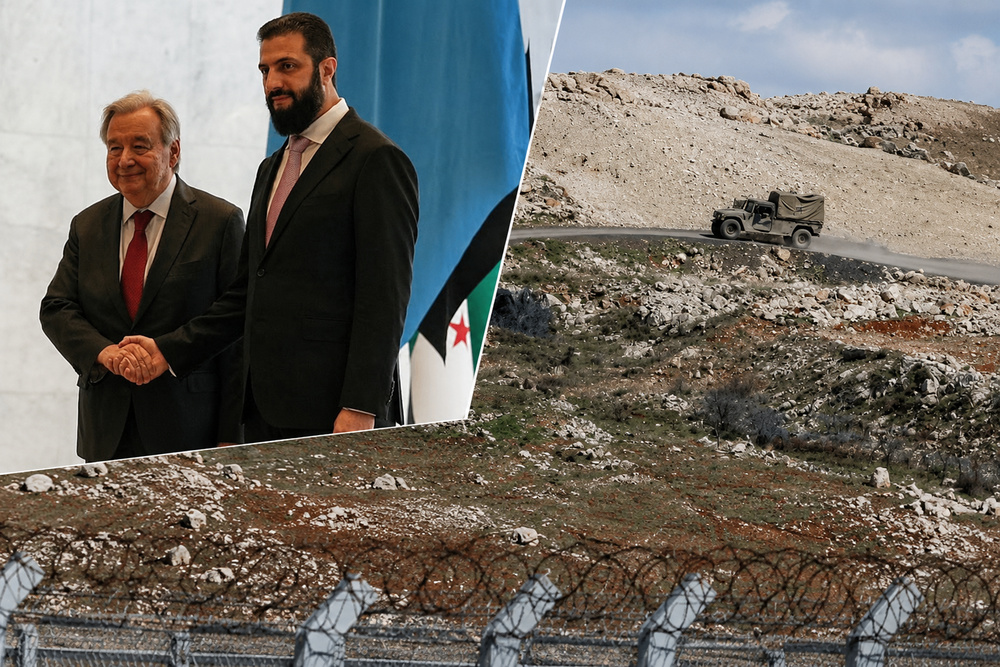
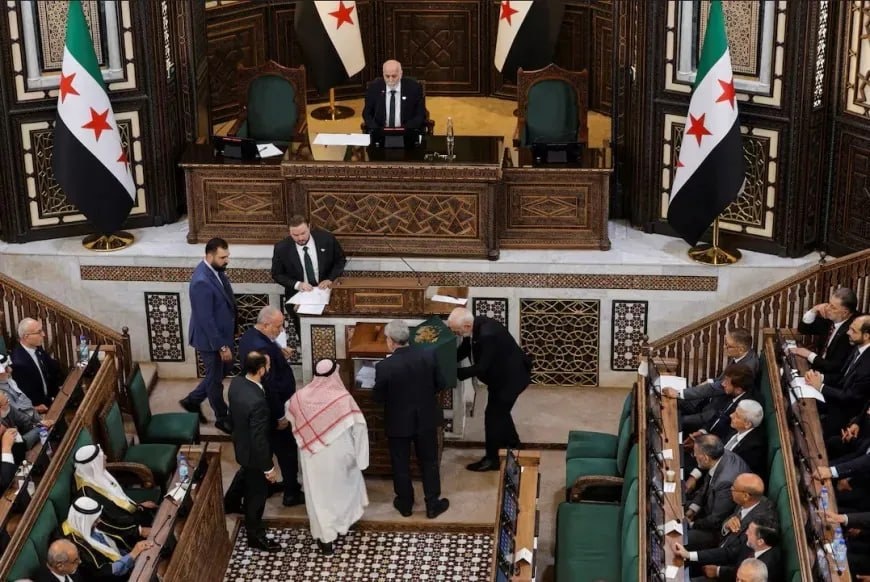
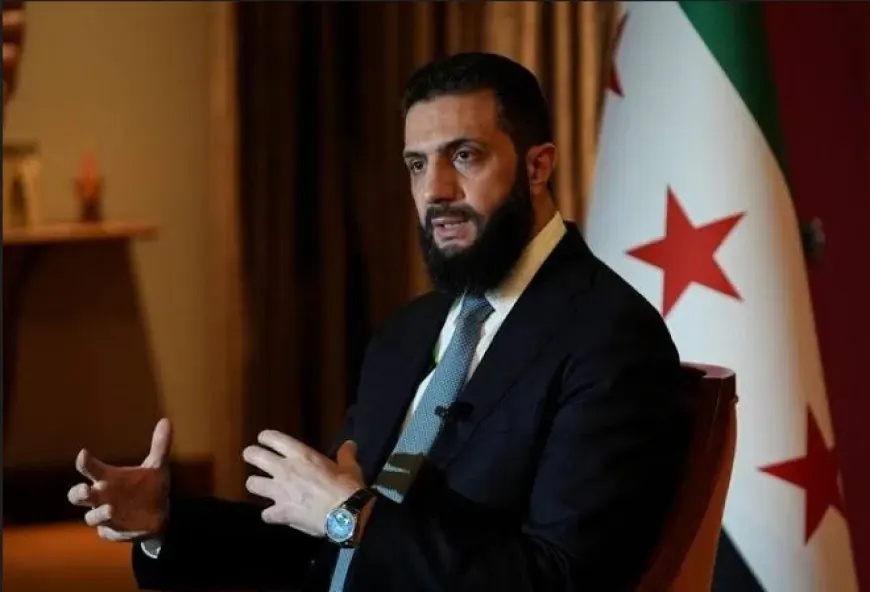
According to Kurdpress, the new Syrian government under the leadership of Ahmad al-Shora has taken a different strategy than direct war in dealing with the Kurdish issue. A strategy based on restoring the central government's control over northeastern Syria without granting the Kurds any real political concessions.
An analytical report published by the Arab Center in Washington shows that after the rapid collapse of the "Syrian Democratic Forces" (SDF) in January 2026, Damascus managed to regain control of a large part of eastern Syria, but at the same time tried to prevent the re-formation of any Kurdish self-governing structure.
According to this report, instead of entering into an all-out military confrontation with the Kurds, the government of Ahmed al-Shora is using the "gradual control" model; A model in which the main tools of power, i.e. oil, borders, economy, security structure and administrative management, are gradually transferred out of the hands of the Kurdish forces and transferred to Damascus.
The article emphasizes that the fall of the SDF was the result of the collapse of the Arab-Kurdish coalition of these forces rather than the result of Damascus' military superiority. The Arab tribes of Deir Ezzor and Raqqa, who were dissatisfied with the political and economic dominance of the Kurds in the SDF structure, finally separated from these forces and moved closer to Damascus. This change in balance paved the way for the return of the central government to eastern Syria.
According to the article, Damascus is now trying to maintain some kind of limited Kurdish presence, but without allowing the Kurds to become an independent political and military actor again. For this reason, although a Kurdish governor has been appointed in Haskeh, the main power structure remains in the hands of the central government.
The author of the article believes that the new Syrian government has learned from the experience of the Kurdistan region of Iraq and does not want a semi-independent region with oil resources, military force and an independent administrative structure to form in the northeast of Syria. From this perspective, Damascus is willing to accept some Kurdish cultural or administrative symbols, but opposes any real autonomy.
In another part of the report, it is stated that the new Syrian government practically reproduced the same historical model of the previous governments in Damascus; It means concentrating power in the capital and using eastern Syria as a source of oil, gas and wheat.
According to this report, after the January 2026 agreement between Damascus and the SDF, the Syrian government took control of the main oil and gas fields in the east of the country, and the resulting income reached hundreds of millions of dollars, but a small portion of this income returned to the Kurdish and Arab areas of eastern Syria.
The article also mentions widespread discontent in Deir ez-Zor, Raqqa and Hasakah. Residents of these areas believe that Damascus transfers the natural resources of eastern Syria to the center, while the main investment is made in Damascus, Aleppo and coastal areas.
According to the author, Ahmed al-Shora's government has been able to maintain control over eastern Syria for the time being with a combination of security agreements, Arab tribal attraction, economic pressure and limited administrative concessions, but in the long run, this model can become the basis for new crises.
In the end, the report warns that if Damascus does not move towards real political participation, a fair distribution of resources and handing over some local authority, the same dissatisfactions that existed during the Bashar al-Assad era will be reproduced in eastern Syria; Discontents that include both Kurds and Arab tribes this time.



Your Comment