

According to Kurdpress, quoted by National Context magazine, while the peace process between the Turkish government and the Turkish Kurdistan Workers' Party (PKK) has entered a new phase, the field developments in the Kurdistan region of Iraq show that the two sides are strengthening and expanding their military infrastructure at the same time as the political negotiations continue. A situation that indicates the continuation of deep mistrust between Ankara and the PKK.
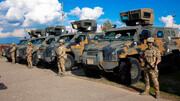
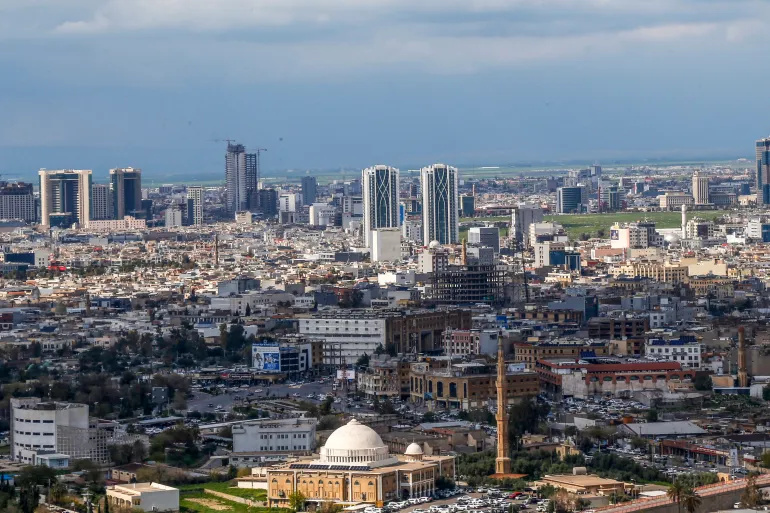
According to this analysis, in recent months, the Turkish army has intensified the construction of new military bases and infrastructures in the border areas of the Kurdistan region, especially around Amidi, the areas near the Turkish border, as well as the Sidkan area in the border triangle of Iraq, Türkiye and Iran. Reports indicate the construction of a helicopter landing site and new logistics positions by the Turkish army; An action that shows that Ankara still considers its long-term military presence in northern Iraq necessary.
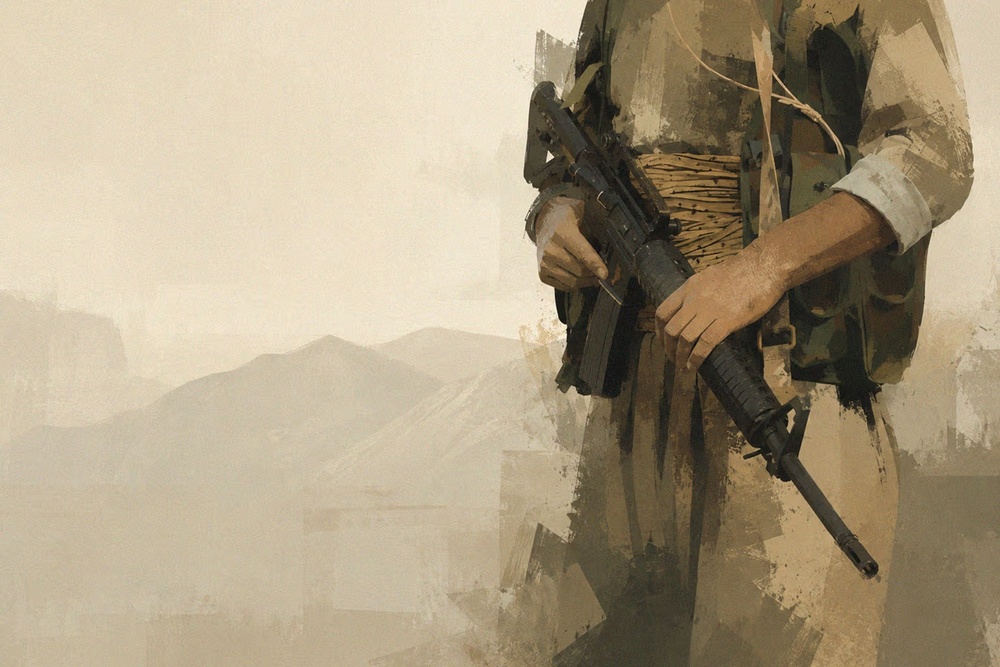
At the same time, PKK is also digging new tunnels and fortifications in the mountainous areas under its influence. Sources close to this group have confirmed that PKK forces are expanding underground networks deep in the mountains; Networks whose purpose is to protect the forces and counter the possible advances of the Turkish army. Turkish intelligence reports have also confirmed these movements and claimed that the PKK continues to strengthen its military positions despite the atmosphere of negotiations.
This situation, according to observers, has created a kind of "simultaneous progress of negotiations and military entrenchment"; A process that shows that the two sides are still not confident about the final success of the peace process. Although the current political climate has reduced the possibility of a full return to full-scale war, the PKK is still trying to maintain its alternative option or "second plan" so that it does not lose its military readiness in case the negotiations fail.
In the same context, the head of the Turkish Intelligence Service has recently claimed that a part of the PKK leadership is acting against the recommendations of Abdullah Ocalan and that the continuation of the construction of the tunnels is not compatible with the possible disarmament process. These statements reflect Ankara's concern about the continued military readiness of the PKK in the midst of negotiations.
On the other hand, analysts believe that the PKK may use these new fortifications to increase its bargaining power in negotiations. According to them, Turkey has not yet taken the necessary legal and political measures to facilitate the withdrawal of PKK forces from their positions in the Kurdistan Region, and this issue has caused this group to continue to maintain and develop its defensive positions.
Another part of the analysis states that the PKK probably does not see these new infrastructures as mere temporary positions. Some estimates indicate that a part of these networks and bases may be transferred to some PKK branches in the future, which has increased its presence in the border areas of the Kurdistan Region, especially in Qandil and Sidkan, in recent years.
These developments show that despite the relative progress of the political process between Ankara and the PKK, the security and military equations in northern Iraq remain complex and fragile, and the two sides are still prepared for different scenarios, from peace to the return of tension.

Your Comment