

According to Kordpress, "National Context" magazine writes in an analysis that the launch of Noche TV news channel is part of the extensive reconstruction of PKK-affiliated media. This change reflects the change of the political strategy of this movement in the Middle East rather than media.
This network started its activity from Germany on May 15, at the same time as the Kurdish language day, and has offices in Diyarbakir, Qamishlo and Sulaymaniyah; The geography that, according to the author, shows exactly the main centers of current political influence of the movement close to the PKK.
Diyarbakir is the center of legal political activity of the Kurds in Türkiye, Qamishlu is the main headquarters of the Syrian Democratic Forces and Sulaymaniyah is also the sphere of influence of the Patriotic Union of Kurdistan; The party that has the closest ties with the PKK and the Syrian Democratic Forces.
At the same time, the Stark TV network, which was the political platform of PKK leaders for many years, has been moved to cultural programs and the task of political coverage has been transferred to Noche TV.
This approach is not limited to only one television channel. The launch of the Zagros 24 network for Kurdish and Farsi-speaking Iranian audiences, the establishment of the Kurdish FM radio in Germany and the establishment of the Kurdish Academy in Switzerland are also part of this new strategy.
According to this analysis, these developments have occurred simultaneously with three important political processes: the progress of the peace process between Turkey and the PKK, the integration of the Syrian Democratic Forces into the structure of the new Syrian government, and the change in the position of the Patriotic Union of Iraqi Kurdistan, which has now more than ever become the channel for managing this political transition.
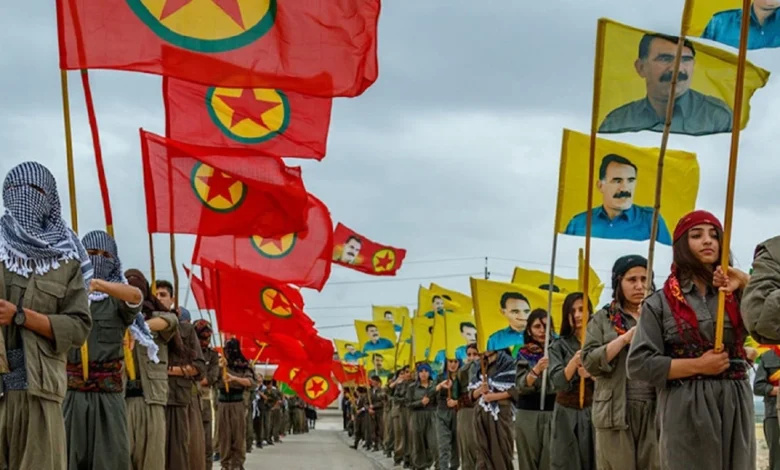
The author argues that the PKK no longer defines its future based on mountainous terrain, parallel structures, and military might; instead, it seeks to consolidate its presence through legal politics, cultural rights, civil institutions, and transnational networks. From this perspective, new media constitute part of the infrastructure for this strategy, rather than serving merely as a tool for information dissemination.
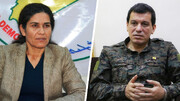
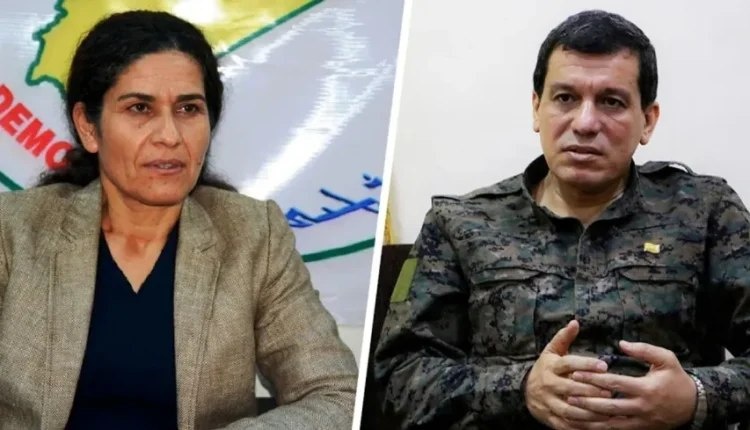
The analysis also views a potential meeting between Mazloum Abdi and Abdullah Öcalan as the final piece of this process—a meeting that, if realized, could frame the integration of the Syrian Democratic Forces into the Syrian state structure not as a retreat, but as part of the political strategy envisioned by Öcalan.
In the following, the author also mentions the change in America's approach. According to him, Washington no longer focuses its support on independent Kurdish institutions, but supports Kurdish forces in the form of official structures of the governments of Iraq and Syria; A change that is also consistent with Tom Barak's regional mission.
On the contrary, this process has been described as challenging for the Kurdistan Democratic Party. According to the author, the power model of this party is based on independent regional institutions, Peshmerga forces, direct relations with Washington and Ankara, and the special role of Erbil; Components that lose their former importance in the framework of the new regional order.
Based on this analysis, what can be seen today in the form of new television, radio and cultural centers is, above all, the architecture of a new political presence for the movement close to the PKK, which will be based on legal politics, cross-border cooperation and activities within the framework of official government structures, instead of relying on military power.



Your Comment