
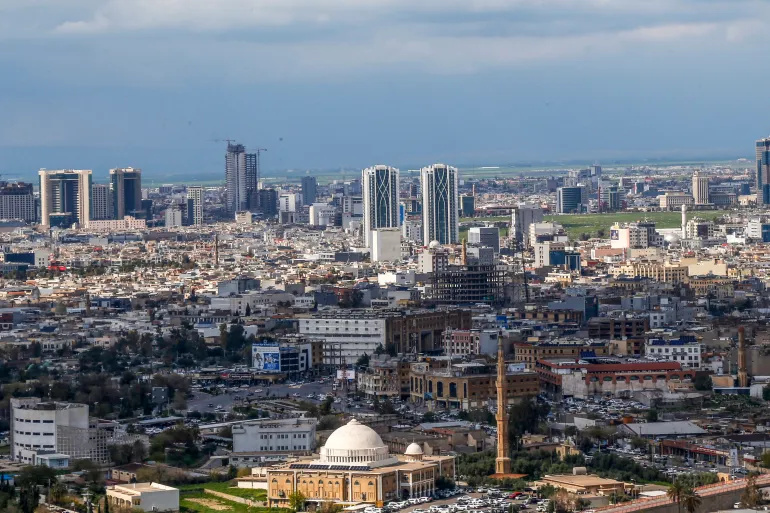
According to Kurdpress, nearly 20 months have passed since the parliamentary elections of the Kurdistan Region of Iraq, the differences between the Kurdistan Democratic Party and the Patriotic Union of Kurdistan have once again entered a new stage. In recent days, the two main parties of the region have exchanged accusations and held each other responsible for the delay in the formation of the 10th cabinet of the regional government and the continued closure of the parliament. An impasse whose end is still uncertain.
The regional parliamentary elections were held on October 20, 2024 after several postponements. The Democratic Party won 39 seats out of 100 parliamentary seats, and the Patriotic Union came second with 23 seats. On the other hand, the Patriotic Union, which entered the competition with the slogan of becoming the first party of the region, could not achieve its electoral goals. This party won only eight seats in the provinces of Erbil, Dohuk and Halabja, and in Sulaymaniyah, its traditional base, it also lost part of its votes to the New Generation Movement.
Despite the official inauguration of the parliament on December 2, 2024 and the swearing in of the representatives, this body was practically closed after the first meeting and has not held any other meetings. At the same time, the long negotiations between the Democratic Party and the Patriotic Union to form a new government have also remained fruitless.
The Democratic Party believes that the reason for the failure of the negotiations is the insistence of the Patriotic Union on occupying positions that do not match the election results and the real weight of this party. In contrast, the Patriotic Union has rejected this claim, accusing the Democratic Party of attempting to impose its own demands.
Amidst this deadlock, new political developments have further complicated the situation. Shaswar Abdulwahid, leader of the New Generation Movement—who had previously been sentenced to prison—met with Bafel Talabani just three days after his release on bail; the two sides announced the formation of a coalition to participate in the future government. This sudden shift in stance sparked widespread speculation, given the New Generation Movement's history of harsh criticism toward the Patriotic Union.
The new coalition between the Patriotic Union and the New Generation Movement holds a total of 38 seats—a figure that remains one seat shy of the Democratic Party's tally.
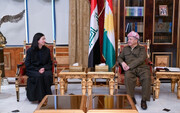
In the past weeks, efforts were also made to end the deadlock. Salah al-Din Bahad al-Din, the Secretary General of the Islamic Union of Kurdistan, presented a plan to bring the views of the two parties closer together, and Masoud Barzani also asked all political currents to put aside their differences and break the deadlock in the political process.
At the same time, Masrour Barzani, the Prime Minister of the Kurdistan Region, has repeatedly emphasized the necessity of resuming the activities of the parliament and respecting the people's vote and has warned that any trend that prevents the formation of the government should be held accountable to the people of the region.
However, the atmosphere of negotiations has become tense again in recent days. Karvan Ghaznai, the spokesman of the Patriotic Union, announced that his party has never bargained for government positions and has been looking for "real partnership" since the beginning of negotiations. He blamed the Democratic Party for the delay in forming the cabinet and announced the implementation of the agreement with the new generation movement in early July.
In response, the Democratic Party accused the Patriotic Union of stopping the process of forming the government by not accepting the election results and preventing the election of the parliamentary board. This party emphasized that the Patriotic Union is in practice seeking to impose its demands, regardless of the people's votes and election results. Meanwhile, reports have been published showing that the leadership council of the Patriotic Union has considered the possibility of filing a lawsuit in the Federal Supreme Court of Iraq to suspend the activities of the ninth cabinet of the regional government.
Despite the intensification of political differences, Peshwa Horamani, the spokesperson of the regional government, emphasizes that these tensions have not spread to the performance of the cabinet. According to him, the ministers of the two parties continue their daily cooperation within the framework of the government and the differences are only at the level of political negotiations. Horamani also pointed to the presence of Qubad Talabani, the deputy prime minister and one of the leaders of the Patriotic Union, in the government. He considered the possibility of this party suing the cabinet as contradictory and said that it is not clear who the Patriotic Union intends to file a lawsuit against, while it is one of the main pillars of the current government.
Almost two years have passed since the elections, neither the parliament of the region has resumed its activities, nor has a new government been formed; A situation that is still considered one of the longest and most complicated political deadlocks in the history of the Kurdistan Region.


Your Comment