

KurdPress - At first glance, this statement may seem like a repetition of a familiar narrative about the "disloyalty of the great powers"; a narrative that has been reproduced many times in the contemporary history of the Kurds.But a closer look at this series of conversations shows that the problem cannot be explained simply by concepts such as betrayal, distrust, or instrumental use.
The problem is deeper, and what we observe in relations between the West and the Kurds is not the result of a momentary decision or the behavior of a particular president, but rather the product of the structure of the international system and the logic of the distribution of power. In this structure, major states support a non-state actor or a national movement when that actor can provide part of their strategic goals; but support for that actor becomes a lasting political commitment when the long-term interests of the supporting power are structurally linked to the political future of that actor.
The Kurds seem to have remained in the first stage so far.For the West, they have been, at times, a security partner, a counterterrorism force, a balancing tool, and a factor in regional stability; but they have not yet reached the status of a political partner in designing a regional order. This is what can be called the “glass ceiling of Western support for the Kurds.”
Where exactly is the glass ceiling?
The glass ceiling of Western policy toward the Kurds should not be sought simply in the border between support and non-support. The West may support the Kurds, provide them with weapons, cooperate militarily with their forces, speak of their rights, and even defend them against regional pressures at times; but this support continues to the extent that it does not clash with three fundamental principles: the nation-state order, the geopolitical interests of the great powers, and their relations with regional states.In fact, the West is in many cases willing to help the Kurds become more powerful within the global power order; but when Kurdish power becomes a project to change the global power order itself, the limits become apparent. The glass ceiling is precisely where Kurdish power turns from a “beneficial agent of the global power order” to a “challenger of the global power order.” The glass ceiling is precisely where Kurdish power turns from a “beneficial agent of the existing order” to a “challenger of the existing order.”
From “Security Partner” to “Political Partner”
Perhaps the most important concept to consider for the future analysis of the relationship between the West and the Kurds is the difference between “security partner” and “political partner.” The Kurds have been the West’s security partner in many regional equations over the past decade, but being a security partner does not necessarily mean being a political partner. A security partner is used to resolve a crisis.
The West needed the Kurds in the fight against ISIS because they were an effective force in the field. However, this military necessity did not automatically mean accepting a Kurdish political project.
An important paradox arises here, and that is that the more successful the Kurds are in the military field, the greater their tactical value to the West may be; but this success does not necessarily lead to an increase in their political power, and this is the point from which we must learn.
Turkey: A Variable That Cannot Be Eliminated
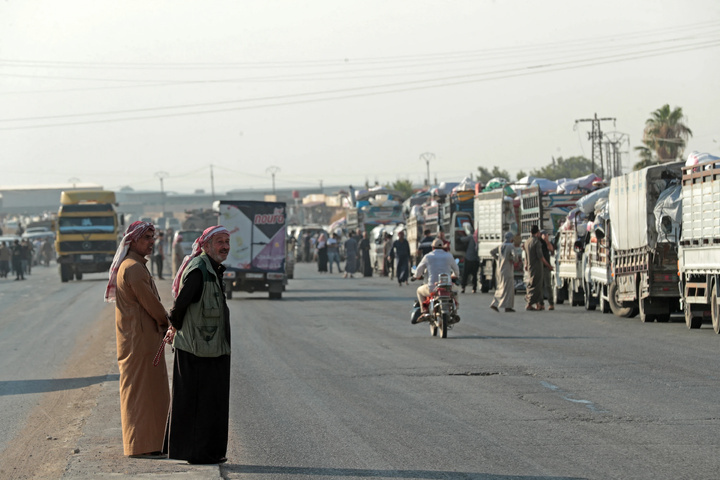
In any realistic analysis of Western policy toward the Kurds, Turkey is not a marginal variable; it is one of the main variables in the equation. For the West, Turkey is simultaneously a NATO ally, a regional military power, a major player in European security, an energy and trade route, and an influential player in the crises of the Middle East. For this reason, Western policy toward the Kurds, especially in Syria and Iraq, has always been accompanied by a double calculation: on the one hand, cooperation with the Kurds for security purposes, and on the other, preventing this cooperation from turning into a strategic crisis in relations with Ankara.In the case of Syria, given the new view of the US government towards the Syrian government, the equations in that country have also changed significantly, and the US government's emphasis on the need for the Syrian Kurds to cooperate with the central government in Damascus (Al-Julani) can be considered as an example of this.
Hidden Weakness; The Kurds Are Still Not a Single Player
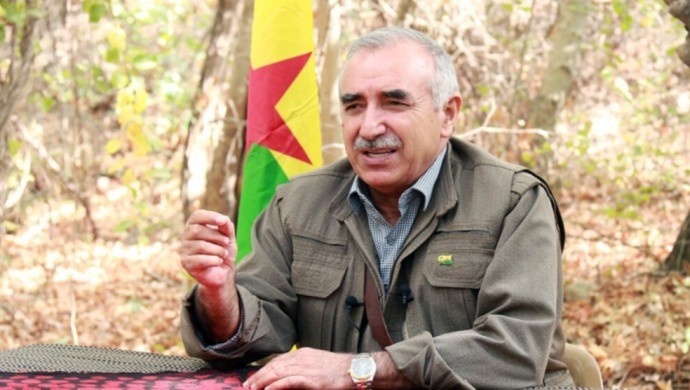
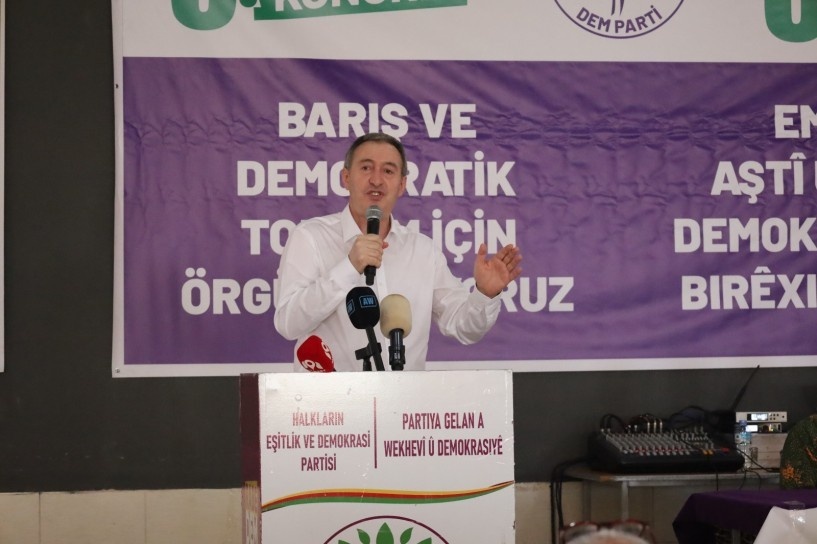
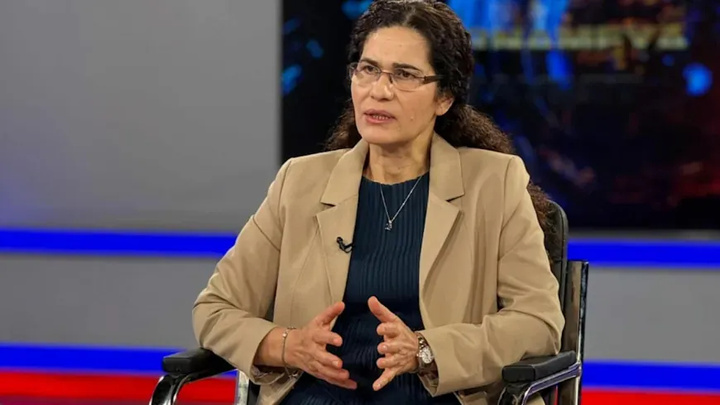
Of all the external factors, perhaps the most important and least-considered variable is the Kurdish power structure itself. The West does not confront the “Kurds” as a single political entity. It confronts the Iraqi Kurdistan Region, the Syrian Kurdish forces, the Turkish Kurdish parties, and the Iranian Kurdish movements; each with its own geography, ideology, organizational structure, and foreign relations. This fragmentation, while a product of the different histories and circumstances of the four parts of Kurdistan, also has a strategic consequence:
Foreign powers can engage with different parts of the Kurdish question separately. As a result, the Kurds sometimes become a collection of separate files rather than a single strategic issue, which reduces bargaining power.







Your Comment