

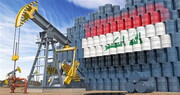
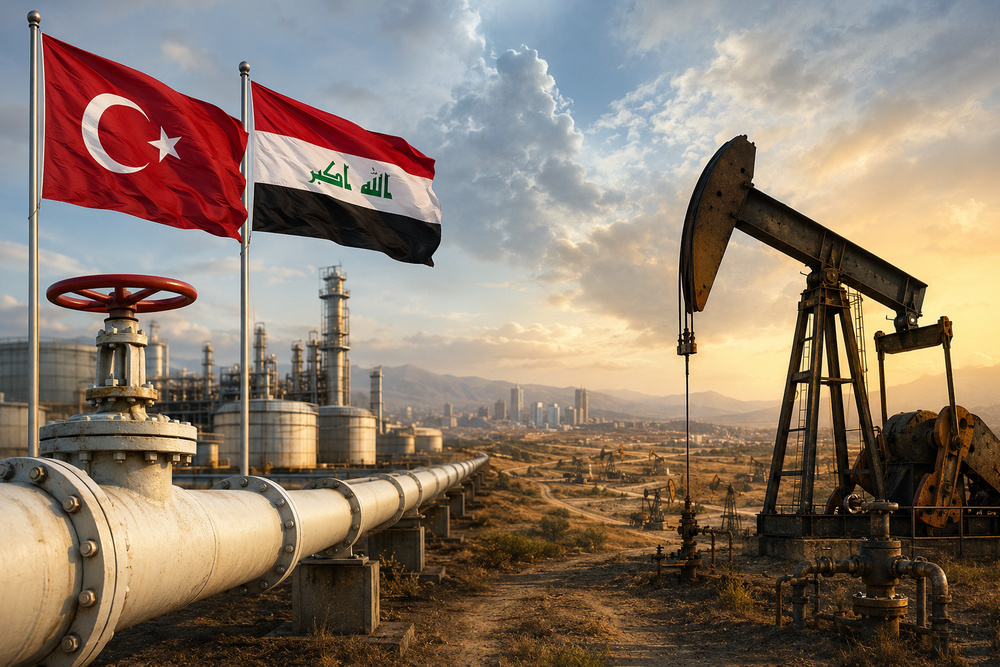
According to Kurdistan Press, citing Oil Price, Iraq and Turkey have reactivated the Iraqi oil transport route via the Iraq-Turkey pipeline and the Ceyhan terminal by signing a one-year agreement. This move is of vital importance to Baghdad in the face of disruptions to the main Iraqi oil export route through the Strait of Hormuz.The agreement allows for the daily transport of up to 750,000 barrels of Iraqi oil, a much higher capacity than the current level of oil transport through this route, and could prevent pressure on Iraqi oil reserves and the cessation of production from some wells.
However, the new agreement does not necessarily mean a resolution to the long-standing disputes between Baghdad and Ankara. Iraqi oil exports via Turkey had previously been suspended for about two and a half years, a crisis that arose after the International Chamber of Commerce’s arbitration ruling that Turkey should pay $1.5 billion in compensation to Iraq. The main focus of the dispute was Ankara’s permission for the Kurdistan Region to export oil independently, bypassing the Iraqi federal government.
The issue of Kurdistan Region oil remains one of the most important points of contention between Baghdad, Erbil, and Ankara.The Iraqi federal government is concerned that the region’s independent control over oil revenues will provide the financial resources needed to strengthen its economic and political independence. As such, Baghdad continues to insist on federal management of oil exports, an issue that has repeatedly led to the region’s oil exports being halted via Turkey in the past.
In contrast, Turkey could exploit Iraq’s urgent need for an alternative export route to gain further concessions. In addition to the oil transfer agreement, the Turkish state-owned oil company has increased its presence in the Kirkuk oil projects, and Ankara is seeking to expand its cooperation with Iraq in the fields of oil, gas, petrochemicals, and electricity. Resolving the $1.5 billion compensation case could also be part of broader negotiations between the two countries.
Therefore, the one-year agreement should be seen as a temporary mechanism for Iraq to overcome its current oil export crisis, rather than a final solution.Baghdad has now been able to restore a vital route for its oil exports, but the dispute over Kurdish oil, the arbitration case, and Turkey’s economic demands remain unresolved.
The future of the route depends on Baghdad and Ankara’s ability to transform the interim agreement into a lasting framework. Otherwise, the end of the one-year agreement could once again turn the Iraq-Turkey pipeline into a political and economic battleground for the two countries.







Your Comment