

According to KurdPress, an analysis published in National Context considers the approval of the Framework Law on the Disarmament and Dissolution of the PKK not the end of the peace process, but the beginning of a new and legalized stage in this process. The importance of this law is that for the first time in the history of laws related to the PKK, it transforms the legal provisions resulting from direct negotiations with this organization and Abdullah Öcalan into a specific mechanism for the collective liquidation of the organization, the disarmament of its members, and the determination of their legal cases.Previous Turkish laws were mainly individual incentives for members who defected from the PKK, while the new law is based on the organized end of the PKK's activities and then addressing the status of its individuals.
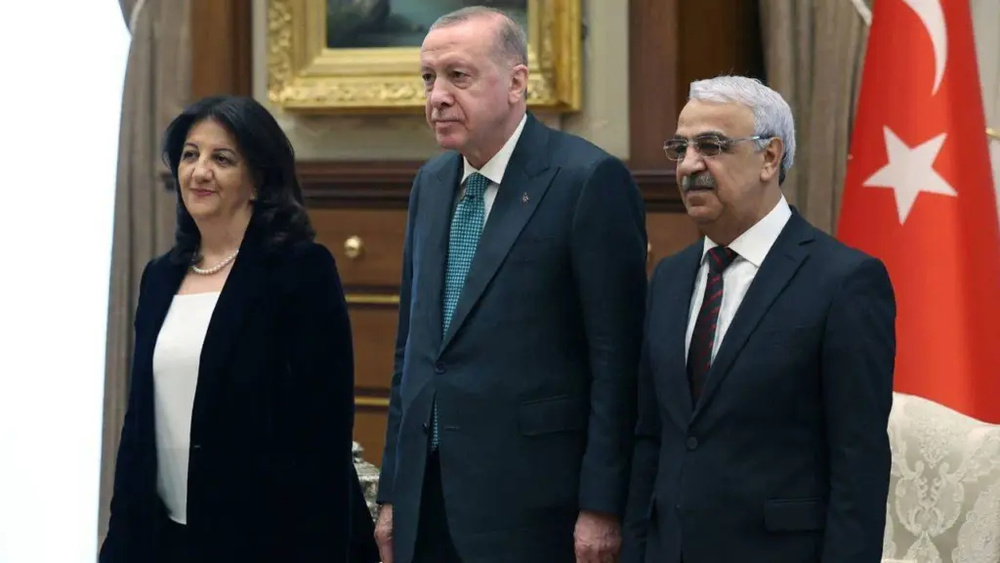
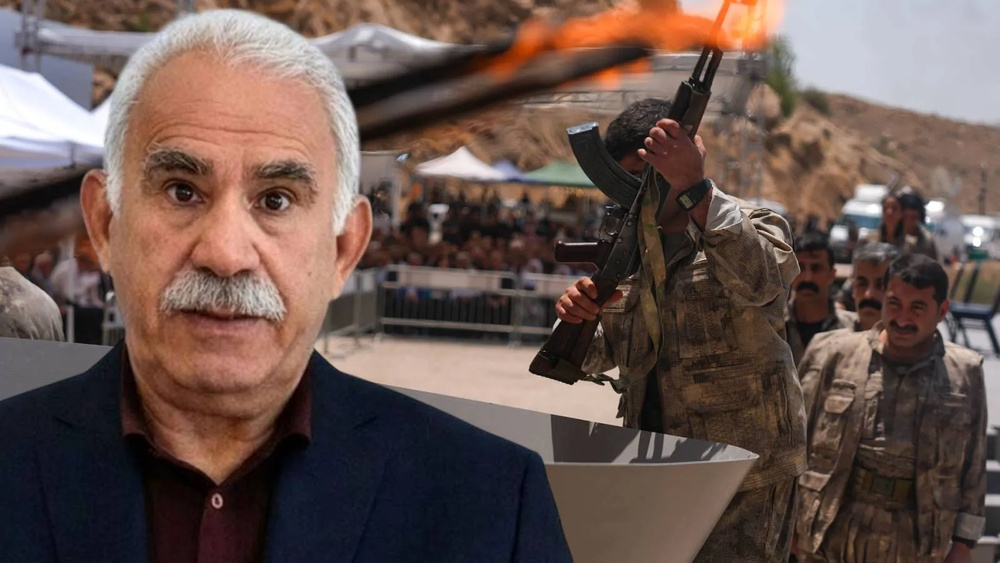
After a process that began in October 2024 and continued with the Bahçeli government's initiative to establish a communication channel with Öcalan, meetings between HDP representatives and Öcalan, his call for the dissolution of the PKK in February 2025, and the announcement of the organization's dissolution in May of the same year, the law was finally passed in the Turkish parliament on August 10, 2026, with a vote of 467 to 87. The simultaneous support of the Justice and Development Party, the Nationalist Movement Party, and the HDP for the law is the main reason why it is described as a historic and unprecedented vote in the Turkish parliament.
However, the passage of the law does not mean that its implementation will begin immediately.First, the law must be signed by the President and published in the Official Gazette. After its publication, the executive structure foreseen in the law will be established. This structure will be headed by a board headed by Vice President Cevdet Yılmaz and will include the Ministers of Justice, Interior, Foreign Affairs and Defense, the Secretary General of the Presidency, the Secretary General of the National Security Council and the Head of the Turkish National Intelligence Organization. This board will be responsible for monitoring the disarmament and dissolution process, communicating with the organization if necessary, assessing the fulfillment of the conditions and proposing judicial, administrative and legal measures. In addition, a parliamentary commission will be responsible for monitoring and making proposals, but the main executive decisions will be in the hands of the government board.
The decisive point in the implementation of the law is the official disarmament and dissolution of the PKK. Merely announcing the dissolution or passing the law is not enough.Turkish security agencies must verify the end of the PKK’s organizational existence and the complete surrender of weapons and ammunition. The Turkish National Security Council must then approve this situation and its decision must be published in the official gazette. Only after this stage do the sections related to judicial cases and the status of PKK members become active.
Therefore, the implementation process is practically a multi-stage chain: promulgation of the law, formation of executive bodies, drafting of disarmament regulations, verification of dissolution and disarmament, approval by the National Security Council, publication of this decision and finally the initiation of the individual application process.
After the publication of the National Security Council’s decision, eligible individuals will have six months to apply for legal mechanisms. This process is not a general amnesty and is not implemented automatically. Each individual must submit their application individually and their case will be reviewed individually.The law covers some crimes related to membership, management or knowingly assisting the PKK, propaganda and financing terrorism, but does not cover personal crimes unrelated to organizational activity.
As a result, the release of prisoners will not occur en masse. For each individual, the prosecutor or competent court must decide whether to discontinue the investigation, end the trial, lift the detention or suspend the execution of the sentence. The suspension of the sentence will be for five or ten years, depending on the severity of the crime, and the commission of a new terrorist crime can lead to the suspension being lifted and the judicial process being resumed. Therefore, the law is more of a “general amnesty” than a conditional mechanism for the suspension and subsequent closure of eligible cases.
One of the important gaps in the law is the status of returning PKK members.The law does not specify where exactly and under what administrative procedure members based in mountainous areas or outside Turkey should be handed over, which institution will be responsible for receiving them, and how issues such as military service will be resolved. These issues will have to be determined in future implementing regulations. From this perspective, the way the return phase is designed could have a direct impact on the success of the dissolution process. The law also has important limitations. Abdullah Öcalan is effectively excluded from the release mechanism foreseen in the law, as the law excludes intentional crimes leading to murder as well as certain serious crimes committed before 1 June 2005. Since Öcalan was sentenced to life imprisonment in 1999, his status will not change with this law and any change in his legal status will require separate legislation.Furthermore, the law does not define any formal role for Öcalan in the implementation of the process, an issue that has been raised by the Kurdish political movement as one of the main gaps in the law.
From the perspective of National Context, the most important issue is that the Framework Law does not solve the Kurdish issue alone. The law mainly deals with disarmament, the dissolution of the PKK, the return of members and the determination of judicial cases, and does not make specific commitments on the political and cultural rights of the Kurds, political participation, mother tongue, local government or the reform of security structures and counter-terrorism.
However, the adoption of the law is unlikely to be the end of the legislative process. The HDP and the Kurdish political movements expect that in a second phase, amendments will be made to the Anti-Terrorism Law, the Turkish Penal Code, the Law on the Execution of Sentences and the Law on Political Parties.The broader demands of the Kurdish movement include reducing political restrictions and freedom of expression, ensuring political participation of returnees, addressing old cases, mother tongue rights, strengthening local democracy, ending the guardianship system for municipalities, implementing the rulings of the European Court of Human Rights, and determining Öcalan’s status. However, these are not pledged in the current law and are more of a political demand for the next stage.
From this perspective, the adoption of the Framework Law should be seen as the beginning of the legal and executive phase of the PKK liquidation process, not the end of the Kurdish issue in Turkey. The success of the first phase depends on three factors: the speed with which the government establishes an executive mechanism, how it verifies the actual disarmament and liquidation of the PKK, and how it deals with members who intend to return.The second stage, however, will be more decisive, as it will determine whether the current process will remain limited to the disarmament of an armed organization or whether it will become a broader political process to resolve the Kurdish issue and democratize the Turkish political structure.
According to this analysis, the Turkish parliament has now moved the ball from the legislative to the executive court; but until the National Security Council’s decision on disbandment and disarmament is published, none of the judicial privileges of the law can be enforced. Therefore, the next stage will depend more on the behavior of the government, the security institutions, the PKK, and ultimately the level of mutual trust between the parties than on the parliamentary vote.




Your Comment