

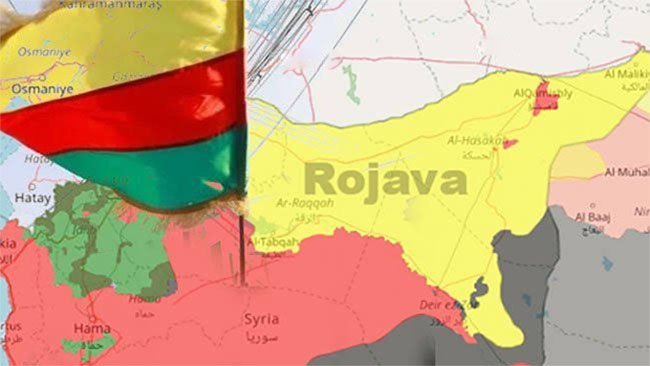
According to Kurdpress, according to Al-Majlah publication, after an intense round of negotiations in Damascus, led by Mazloum Abdi, the commander of the Syrian Kurdish military forces, and under the direct supervision of the United States, on Friday, January 30, it was announced that a comprehensive agreement had been reached between the Syrian Kurds and the Syrian government.
This agreement has been introduced as the implementation framework of the January 18 understanding; An understanding that aims to stabilize the ceasefire and outlines a phased roadmap for the integration of Kurdish military forces and related administrative structures within the framework of the Syrian central government. According to this agreement, the deployment of forces affiliated with the Syrian Ministry of Interior in the cities of Hasakah and Qamishlo has been allowed to ensure security and the presence of local police.
According to the announced provisions, a military unit consisting of three brigades of Syrian Kurdish forces will be formed. In addition, another brigade will be created in the city of Ain al-Arab (Kobani), which will operate under the supervision of the military command of Aleppo. The withdrawal of military forces from all lines of contact is also mentioned in other clauses of this agreement.
This agreement has actually replaced the previous drafts; Drafts in which he formed three complete divisions and two independent brigades of forces, along with a kind of decentralized administration for the areas under their control, were foreseen.
At the same time as the public announcement of this agreement, Tom Barak, the US special envoy who has been monitoring the negotiations since the March 10 agreement between Ahmed al-Shara and Mazloum Abdi, welcomed it and called this development "a profound and historic turning point in the future path of Syria.
According to Al-Majlah, these talks were accompanied by fluctuations many times. Intermittent progress gave way to sudden setbacks. Sometimes the invitation to the meetings was canceled only a few hours before the beginning, and some long meetings ended suddenly by leaving the negotiating table, A situation that, according to informed sources, caused the obvious dissatisfaction of Washington. In some cases, Tom Barak would attend the negotiations and then leave the meeting; For example, in July, after leaving a meeting in Damascus, he met Mazloum Abdi in Amman.




Your Comment