

According to Kurdpress, with the continuation of the political transition process in Syria after the fall of Bashar al-Assad's government, the Kurds are trying to get an effective share in the new parliament of this country. This effort by the Kurds is followed by widespread criticism of the "undemocratic" nature of the electoral mechanism and uncertainty about guaranteeing the rights of minorities.
The 210-member parliament of Syria known as the "People's Assembly" is gradually being completed. In the first election after the change of power held last October, 119 representatives were elected, but regions such as Hasakah, Raqqa and Sweida were left out of this process due to the practical departure from the control of the central government. In January, the transitional government filled six more seats in the province, and now, the merger agreement between the Syrian Transitional Government and the Syrian Democratic Forces (SDF) has paved the way for elections in the 10-seat Hasakah province.
The spokesperson of the Supreme Election Committee of the People's Assembly announced that the preparations for holding the elections in Haskeh are underway and despite some delays, this process will be completed soon.
In the meantime, Kurdish parties have welcomed the principle of participation in the elections, but consider it conditional on guaranteeing transparency and real representation. Faisal Youssef, the spokesman of the Patriotic Council of Syrian Kurds, emphasized that the voter registration and the distribution of seats should reflect the real weight of the Kurds in the society. Some other Kurdish parties have also announced that they will participate only if they evaluate the electoral process as fair and inclusive.
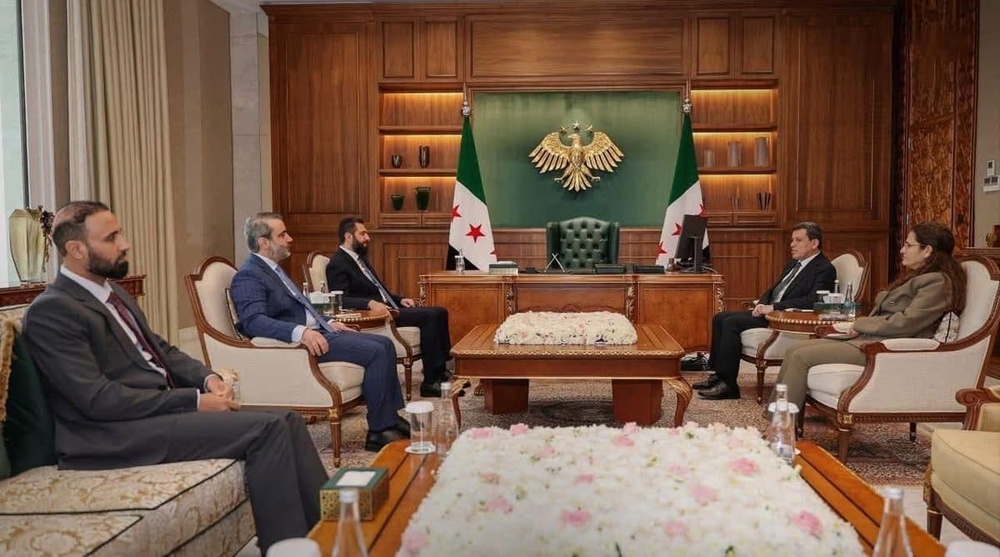
These developments are taking place at the same time as intense negotiations between the Kurdish representatives and the transitional government about the political and administrative future of the northern regions of Syria.
Among the most important demands of the Kurds are the preservation of education in the Kurdish language, the recognition of previous years' academic qualifications, and the assignment of military structures, including the YPJ's female forces; An issue that remains a point of dispute with Damascus.
However, the nature of the current electoral system faces serious criticism. In previous elections, public participation was reported to be very low, and a significant portion of the seats—70 out of 210 seats—were directly appointed by the interim president. Critics consider this mechanism to be more of an "appointment process" than an election, and believe that such a structure does not provide true representation of the Syrian people, including the Kurds.
However, government officials have defended this model and consider it a temporary solution to compensate for the imbalances in the transitional period. According to them, the concentration of powers at this stage has been done with the aim of increasing the efficiency of the legislative body.
In the field of community representation, statistics show a significant gap. Among the seats filled so far, only six seats are available to women and the share of ethnic and religious minorities has been very limited. Kurds and Alevis each have four representatives, and other minorities have a smaller share. This situation has raised concerns about the future of ethnic and religious diversity in the Syrian power structure.
Another controversial feature of this election is the ban on the official presence of political parties; So that candidates can participate only individually. The transitional government sees this decision as a result of the necessity of maintaining social stability in the transition phase, but critics consider it an obstacle in the way of the formation of a multi-party system.
Finally, the new parliament will be responsible for drafting Syria's future constitution and preparing the ground for national elections. Considering the decisive role of the 70 members appointed by the president, the final composition of this body can have a direct impact on the legitimacy of the future constitution.
In such a situation, the Kurds still emphasize the necessity of a decentralized and democratic military establishment; A model that, according to them, can guarantee the real participation of all ethnic and religious groups. As the integration negotiations continue and the elections in the remaining regions approach, the issue of minority representation and rights will remain one of the most sensitive challenges of Syria's transitional period.

Your Comment