

According to Kurdistan Press, the process of large Western companies returning to the Iraqi oil industry has entered a new phase with a new agreement between the British company BP and the American company ConocoPhillips.Under the deal, ConocoPhillips will buy a 42 percent stake in BP’s development company, which is responsible for developing four major Kirkuk oil fields, returning to Iraq’s oil industry after more than a decade.
The project, estimated to cost around $25 billion, aims to boost production from the old Kirkuk fields and extract more than three billion barrels of oil equivalent in the first phase. Meanwhile, the Northern Iraqi Oil Company and the Northern Iraqi Gas Company will continue to be responsible for the management and day-to-day operations of the fields.
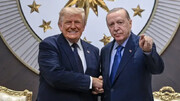
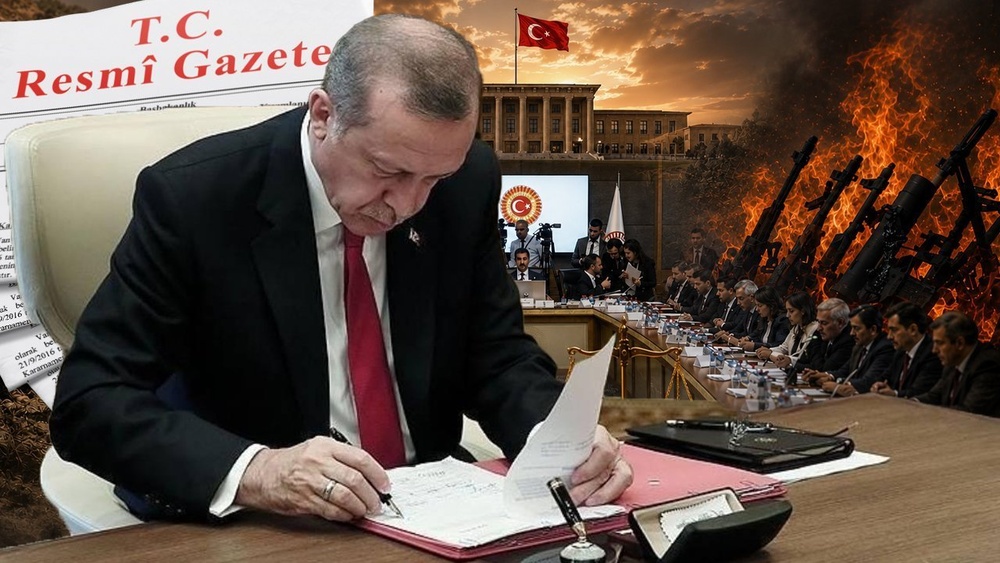
But as American and British companies return, Turkey has also cemented its position in the project.Turkish President Recep Tayyip Erdogan announced after meeting with Iraqi Prime Minister Ali al-Zaidi that the Turkish State Oil Company (TPAO) would buy a 15 percent stake in BP Energy Kirkuk under a separate agreement.
Erdogan also announced Baghdad’s agreement to export one million barrels of oil per day to Turkey, saying this volume of oil could meet a significant part of Turkey’s energy needs. The agreement coincides with the expiration of the historic Kirkuk-Ceyhan pipeline contract on July 27, and the two countries are working on a new framework for energy cooperation rather than extending the previous agreement.
The importance of the agreement is not limited to investment in oil fields.In addition to its stake in the Kirkuk development project, Turkey also has primary control over the northern Iraqi oil export route through the Ceyhan port, which allows Ankara to play a decisive role in both the production and transportation of Kirkuk oil.
These developments come as the Iraqi government has tried in recent months to create a new balance in the country’s energy industry by attracting large American and European companies. Baghdad’s negotiations with companies such as ConocoPhillips and Chevron are also being evaluated in this context, with the aim of reducing dependence on large-scale investment by Chinese companies.
The Kirkuk oil field, discovered in 1927 in the Babagurgur region, is one of the largest and oldest oil fields in the Middle East.The field once produced nearly a million barrels of oil per day, but due to wars, sanctions, aging facilities, and lack of investment, its production has declined in recent years to about 285,000 to 330,000 barrels per day.
In addition to developing the fields, Baghdad has resumed oil exports via the Kirkuk-Ceyhan pipeline since March 2026, exporting about 250,000 barrels per day. The Iraqi government is also pursuing the revival of the Kirkuk-Banias pipeline through Syria as an option to diversify export routes, although the Turkish route remains the most important artery for oil exports from northern Iraq.The sum of these developments shows that the new Kirkuk project is not just an economic deal, but part of a new geopolitical arrangement in northern Iraq; an arrangement in which Britain manages the development of the fields, the United States has returned to the project with investment and technology, and Turkey, by owning a stake in the project and controlling the main export route, has strengthened its position in the Kirkuk oil production and transportation chain more than ever before. In turn, Baghdad hopes to rely on this partnership to revive northern Iraq's oil production and bring Western capital and technology back into the country's energy industry.


Your Comment