

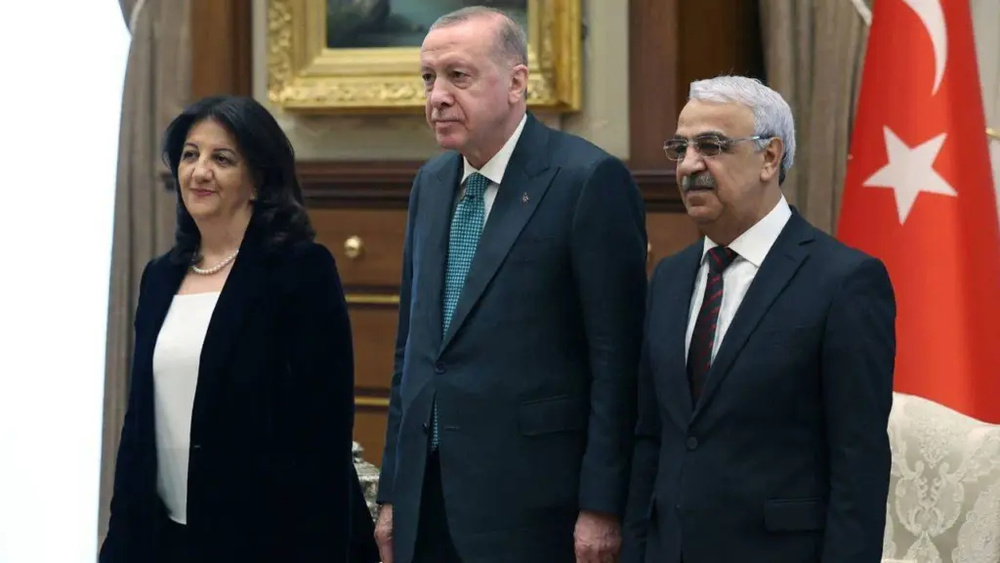
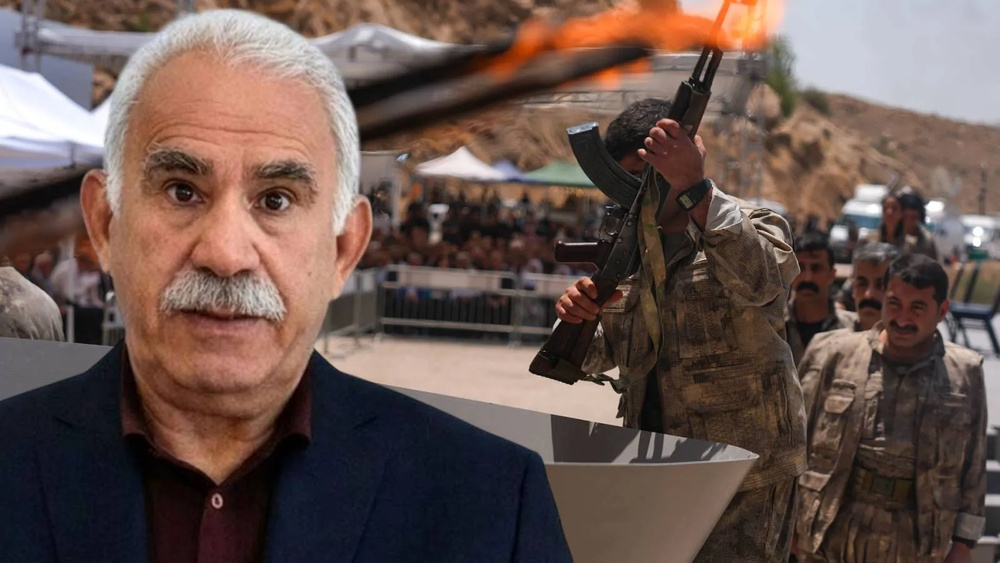
According to Kurdistan Press, members of the İmralı delegation of the Democrat Party, including Pervin Boldan, Özgür Fayek Erol and Medhat Sencer, met with Abdullah Öcalan on İmralı Island again after about two months. According to the delegation, the continuation of the current process and the continued determination to advance it were emphasized in this meeting.Following this meeting, Abdullah Öcalan's written message was published on July 21. In this message, he emphasized the continued will to advance the process and called for the creation of the necessary legal framework, writing: "The time has come to create a legal framework by taking into account mutual sensitivities. Knowing that opening this path with patience is a historic opportunity, we must distance ourselves from limited and fruitless approaches and build a common life together."
At the same time as this message was published, discussions on the draft peace bill, known as the "Framework Law", have also entered a new phase. According to published information, a final agreement has not yet been reached on some articles of the draft and negotiations are continuing to reach a consensus.
Following these developments, the Speaker of the Turkish Parliament, Numan Kurtulmus, began his consultations with political parties.On July 21, he met with Devlet Bahçeli, leader of the Nationalist Movement Party (MHP), then with the joint leaders of the Democratic Party (DP) Tula Hatem Oğulları and Tuncer Bakrhan, as well as Güleştan Kılıç Koçıyığıt and Sezay Temli, representatives of the New Path group, and Kemal Kılıçdaroğlu, chairman of the Republican People's Party (CHP), who was appointed to this position by a court order.
Kurtulmus also met with officials of the Justice and Development Party (AKP) and the Good Party (İYİ Parti), who did not appoint representatives to the process commission, on July 22.
On the other hand, the Democratic Party (DP) also plans to meet with parties with factions and parties outside the parliament to convey the views and proposals raised at the İmralı meeting.According to information published by Mesopotamia, citing political circles, some AKP officials have suggested that the review of the draft law should begin after the end of the parliamentary term and that the text should first be reviewed by the Judiciary Committee. However, after political consultations, the official activities of the parliament were extended until July 31.
Numan Kurtulmus also announced that the parliament will continue to review the law without a break and that the draft law will be submitted to the parliamentary presidium next week and then referred to the Judiciary Committee for review.
He also emphasized that this law, contrary to some reports in media close to the government, is not in the nature of a general amnesty.
After the negotiations are over, one of the options is to submit a draft law with the joint signature of the parties present in the committee. However, it is likely that the final text will be submitted to the parliament only with the signatures of the AKP and the National Movement Party.While negotiations on the draft text continue, the Democratic Party and the Kurdish Freedom Movement continue to insist on determining the legal status of Abdullah Öcalan and his role in the current process.
There are ongoing discussions to postpone the consideration of this issue until after the adoption of the “Framework Law”. It is also said that instead of directly including this issue in the text of the law, after its adoption, the conditions of communication with him will be improved, meetings will become a regular routine and his role in the further negotiations will be clarified.
While the draft is being reviewed, reports indicate that the Turkish government is also preparing the implementation mechanisms for the law.
In this context, Justice Minister Akin Görlek recently announced the establishment of independent terrorism crime investigation offices in the prosecutors’ offices of 175 high criminal courts in 81 provinces of Turkey.According to the information released, in addition to handling existing cases, these offices will also be responsible for managing legal processes related to the implementation of the “Framework Law”, including reviewing returnee cases, registering applications, implementing legal procedures, and following up on processes related to supervised release.
It is also said that the Ministries of Justice, State, Family and Social Services, and other government agencies are also preparing implementation mechanisms related to their responsibilities so that if the law is approved, its implementation can begin without interruption.






Your Comment