

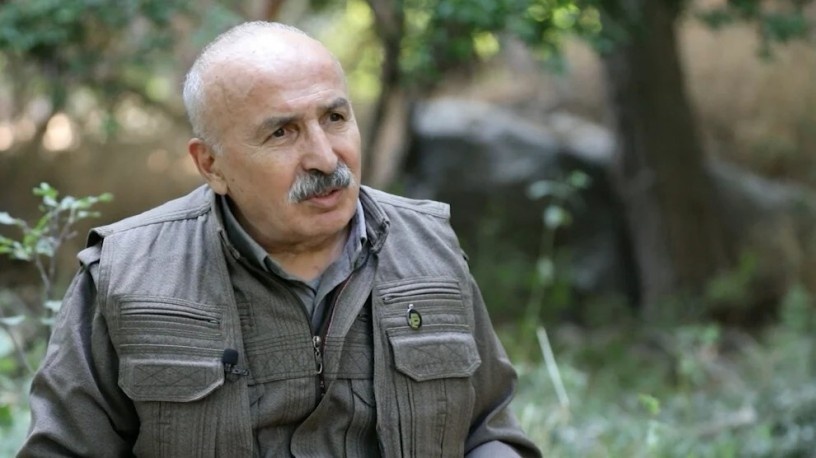
According to Kurdistan Press, Mustafa Karasu, a member of the KCK Executive Council, removed the issue and considered Abdullah Öcalan's position from the Framework Law as one of its fundamental shortcomings, and said that reducing a century-old issue to disarmament is not enough to advance the process. He emphasized that implementing the law and transferring former PKK members and supporters to the political arena will not be possible without Öcalan's management and guidance.KCK Executive Council member Mustafa Karasu evaluated the “Strengthening National Solidarity and Social Integration” law in an interview with Media Khabar.
Karasu said that this law, despite its many shortcomings, can be the beginning of the transition of the Kurdish issue from the context of conflict to the arena of law and politics; but it is not a solution to this issue in itself. Pointing out that the PKK has ended its armed struggle against Turkey and has adopted a strategy of political and democratic struggle, he added that the law should provide the necessary legal framework for this transition.
No mention of the Kurds and the Kurdish issue in the law
Karasu considered one of the fundamental shortcomings of the law to be the removal of the names of the Kurds and the Kurdish issue from its text and said: “Whatever the name of the law, the issue at stake is the Kurdish issue. There is a century-old rift between the Turkish government and the Kurds, and the goal of a political and democratic solution should be to bridge this rift.» He criticized that the law focuses mainly on laying down arms instead of addressing the historical roots of the Kurdish issue. According to Karasu, reducing a century-old issue to disarmament and assuming that all problems will be solved by laying down arms is a one-sided and inadequate approach.
Ambiguity over Öcalan’s position
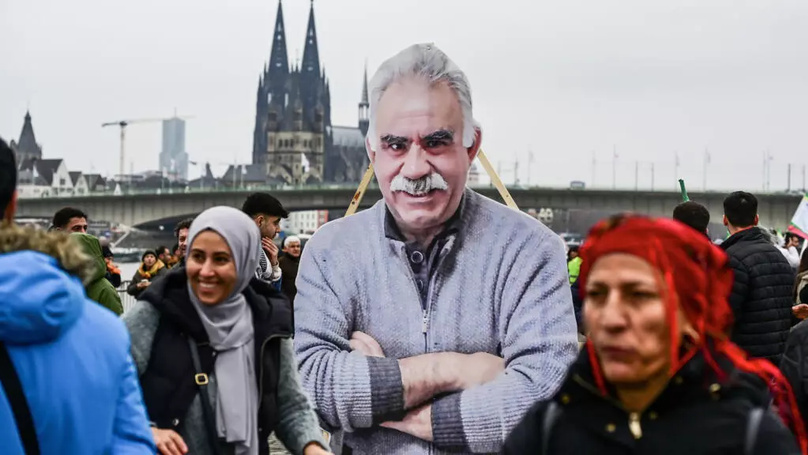
The KCK Executive Council member called the lack of clarity on the role of Abdullah Öcalan in the law another of its most important shortcomings.
Recalling the Bahçeli government’s statements about Öcalan’s “right to hope,” he said that these words were a kind of commitment, but the framework law neither mentioned the right to hope nor specified Öcalan’s position in managing the process.
Karasu said that Öcalan was the initiator of the current process and the one who issued the call for peace and a democratic society, adding: “If this process is to progress, it is only possible with Öcalan’s presence.The lack of clarity on the position and role he will play in this process is a serious deficiency in the law.”
Everyone is waiting to see what Öcalan will say
Qarasu emphasized that the issue is not just about one person, but also includes the status of thousands of former PKK members and supporters, and how they will enter the political arena must be determined.
He said that guiding the group and deciding how it will participate in organizing and political and democratic struggle is not possible without Öcalan’s role: “Everyone is waiting to see what Öcalan will say, how he views the process, and what role he will consider for them in the struggle and political and democratic solution.”
According to Qarasu, holding a few limited meetings with journalists or politicians is not enough, and Öcalan’s legal status and the necessary conditions for his effective activity must be provided.He concluded by warning: "If Öcalan is not at the center of this process and does not play a role in managing and guiding it, it will not be possible to implement the provisions of the law. A law in which Öcalan does not play a role will remain ineffective."





Your Comment