

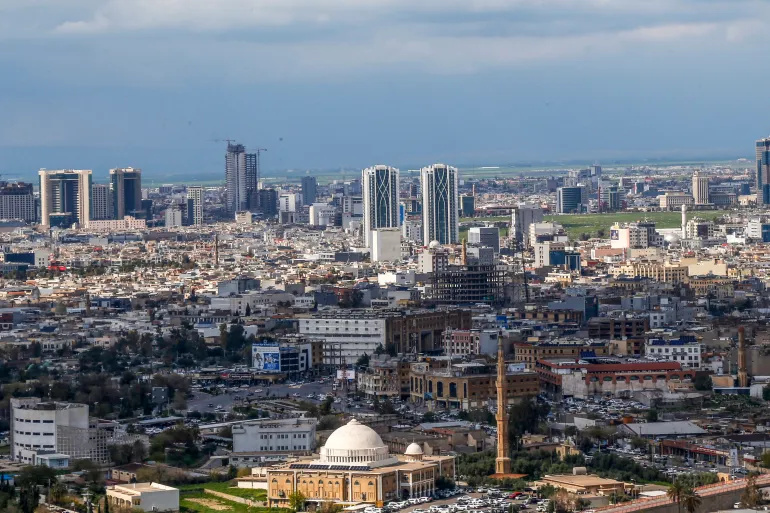
According to Kurdistan Press, the appointment of Tom Barak as the central figure of the Donald Trump administration in the Syria and Iraq cases has sparked new and sensitive debates in the political and media space of the Kurdistan Region; a debate that this time has taken place not only about the future of relations between Erbil and Baghdad, but also about the fate of the Peshmerga and its weapons. In recent days, as discussions have increased about the reorganization of Iraq's security structure and pressures to organize the armed forces outside the direct control of the central government, the name of the Peshmerga has also entered the equation. Some reports and speculation have spoken of the possibility of creating a federal mechanism for Baghdad to monitor, integrate or further control the Peshmerga forces; a model that some compare to the relationship between the Iraqi government and the Popular Mobilization Forces.
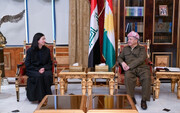
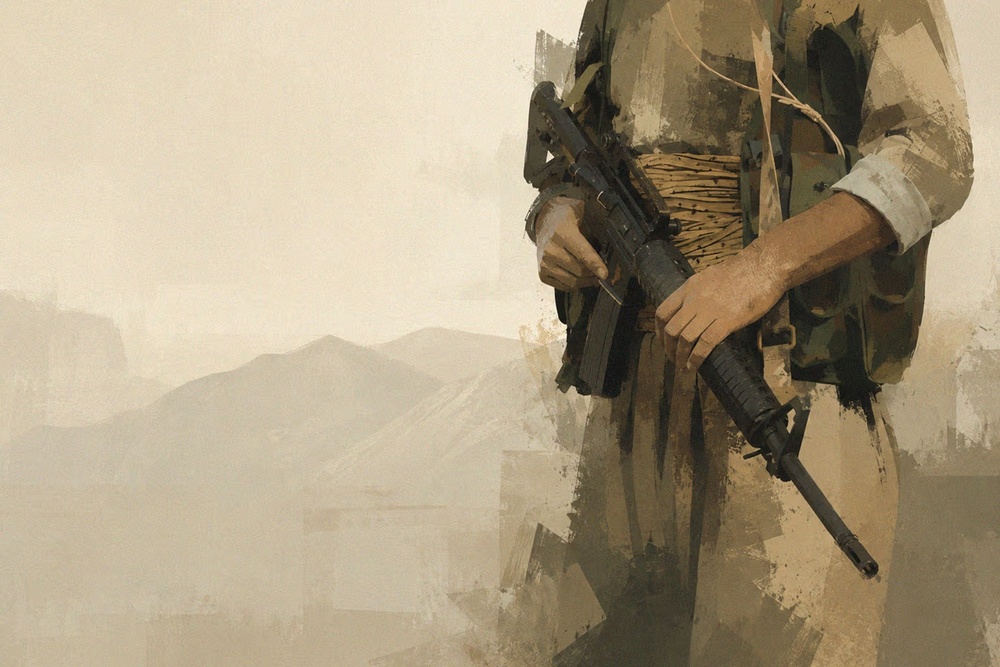
In such an atmosphere, Massoud Barzani issued a statement warning that the Peshmerga and its weapons should not become a subject of political bargaining and bargaining. He emphasized that the Peshmerga weapons are not just “pieces of metal” or tools of war, but are part of the history of struggle, sacrifice, and Kurdish national identity. This stance was in fact a direct response to concerns that have arisen in the Kurdistan Region about the possibility of Baghdad’s increasing influence over the region’s military structure. An important part of these concerns goes back to the new role of Tom Barak. After the developments in northeastern Syria and the gradual withdrawal of American support for the Syrian Kurdish self-government project, Barak has become a symbol of Washington’s change of approach in the eyes of many Kurds.
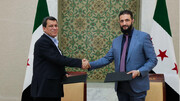
In Kurdish media and social media, some analysts have warned that the same logic that led to the restriction of Kurdish influence in Syria may now be followed in Iraq, particularly through pressure to further integrate the Peshmerga into the central government’s security structure. This has made Barak’s appointment more than a simple diplomatic change and a sensitive issue in the region’s public opinion. However, many observers believe that comparing the Iraqi Kurdistan Region with the situation of the Syrian Kurds is not accurate. The Kurdistan Region has had an established legal and political status for decades, and its self-governing structure, both legally and demographically and geographically, is much more deeply rooted than the experience of northeastern Syria.
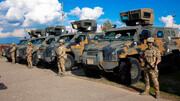
However, the main concern in Erbil is not the collapse of autonomy, but the gradual increase in pressure to limit the region’s military independence and transfer control of the Peshmerga file and its weapons to Baghdad.
In this context, Barzani’s statement can be seen as an attempt to draw the red lines of the Kurdistan Region; a clear message to Baghdad as well as Washington that the Peshmerga is not just a military force for the Kurds, but one of the main pillars of the region’s political and historical existence.
Kurdistan Watch



Your Comment