

According to Kurdistan Press, the approval of the Framework Law on the Disarmament and Dissolution of the PKK in the Turkish Parliament has started a new stage in the peace process between the Turkish government and the Kurdish movement. The importance of this law is that for the first time, it converts the results of direct negotiations with the PKK and Abdullah Ocalan into specific legal mechanisms. The previous Turkish laws, which have been in force since 1985 for PKK members,The legal benefits that the PKK had in mind focused mainly on the return and surrender of individuals, and none were the result of direct negotiations with the organization itself.
The closest previous experience was the 2014 “Resolution Process Law,” which allowed government officials to negotiate with PKK representatives and granted them legal immunity, but made no provision for the suspension of prosecutions, the release of prisoners, or the disposition of criminal cases. The new law differs in that, while accepting the collective dissolution of the organization, it also provides a mechanism for suspending investigations, trials, and the execution of certain sentences of eligible members.
The law is the product of a process that began in October 2024, when the National Movement Party (MHP) leader, Devlet Bahçeli, proposed that Abdullah Öcalan be released if the PKK were dissolved.Subsequently, delegations from the Peoples’ Equality and Democracy Party, or Democrat Party, began their meetings with Öcalan in Imrali prison. In February 2025, Öcalan called on the PKK to disband itself and end the armed struggle. The PKK subsequently announced its dissolution, and in July of that year, the first symbolic move to hand over weapons was made. The parliamentary commission established for this process worked on its legal framework for nearly a year, until the draft finally reached the judiciary committee and then the open parliament. The Turkish parliament passed the law on August 10 with 467 votes in favor, 87 against, and seven abstentions. The simultaneous support of the Justice and Development Party, the Nationalist Movement Party, and the Democrat Party led to the vote being described as a “historic vote” or a “record.” However, the passage of the law does not mean that its provisions will immediately begin to be implemented.Several legal and political steps must be taken to activate the mechanisms foreseen in the law.
The first step is the notification and publication of the law. The parliament sent the law to the president on August 11. According to Article 11 of the law, its provisions will enter into force on the day of its publication in the official gazette. According to Article 89 of the Turkish Constitution, the president has a maximum of 15 days to sign the law and send it for publication or return it to parliament for review. This is the only specific deadline set by the law for the post-approval process. As of August 11, neither the presidential approval nor the publication of the law in the official gazette had been registered. Therefore, none of the executive bodies foreseen in the law will be legally active until the publication.
After the publication, the stage of establishing the executive mechanism begins.The most important body in this structure is an executive board headed by Vice President Cevdet Yılmaz, which includes the ministers of justice, interior, foreign affairs and defense, the secretary general of the presidency, the secretary general of the National Security Council and the head of the Turkish National Intelligence Organization.
The board has broad powers. Its duties include monitoring the disarmament and dissolution process, forming subcommittees, receiving information from state institutions, contacting the organization when necessary and periodically assessing the fulfillment of the conditions for dissolution. The board can also make judicial, administrative and legal proposals. In individual cases, it can also ask the courts to restore rights that individuals have lost as a result of convictions, and, by law, the board’s approval will be necessary for the initiation of new investigations into crimes covered by this process that were committed before the start of the peace process.In this way, the Executive Board will practically become one of the most important gateways for decision-making on past cases.
Alongside this board, a Monitoring and Liaison Commission will also be established in the parliament with the participation of representatives of political parties. The role of this commission is more political and monitoring and can make recommendations, but the executive decisions will be the responsibility of the State Board.
The Ministries of Interior and Defense, in cooperation with the security agencies, should also develop regulations on the delivery and registration of weapons, ammunition, explosives, vehicles and other equipment. The law does not specify where exactly and under what administrative procedure members who intend to return will be accepted. This issue should be specified in the executive regulations and decisions of the board. Consequently, how to welcome and register PKK members arriving from the mountains or abroad will be one of the most important practical issues of the next stage.However, the decisive point in the actual implementation of the law is not the parliamentary vote or even the publication of the law itself; it is the official confirmation of the disarmament and dissolution of the PKK. Turkish security agencies must verify that the PKK, KCK and the organizations covered by the law have effectively ended their organizational activities and handed over all weapons and ammunition under their control. After that, the Turkish National Security Council must confirm this situation and its decision must be published in the official gazette.
In fact, the chain of implementation of the law will be as follows: promulgation of the law, formation of an executive board and drafting of regulations, verification of disarmament and dissolution, approval of the National Security Council, publication of the council’s decision in the official gazette, and then the application process for individuals begins.
After the publication of the National Security Council’s decision, a six-month grace period begins for eligible individuals. This period cannot be extended and there is no automatic amnesty.Individuals must submit their application in person. The application will be submitted in writing to the public prosecutor's office or an institution designated by the executive board. Those who do not apply within this period will continue to be subject to the existing judicial system.
The scope of the law includes membership in the PKK and KCK, establishing or managing an organization, knowingly aiding it, certain propaganda crimes, crimes committed within the framework of organizational activity, and financing terrorism. In contrast, personal crimes and crimes unrelated to organizational activity will not be subject to this mechanism. The provisions on confiscation of property will also remain in force.
One of the unresolved issues is how individuals will be returned in practice.Representatives of the Kurdish movement ask which institution members returning from the mountainous regions or Europe will first turn to, what administrative and security procedures they will go through, and what their military service obligations will be. The law does not provide sufficient details in this regard, and therefore a significant part of its implementation depends on the regulations and decisions of the executive board.
There is also no provision for collective release for prisoners. Each case must be examined individually. For those who have been convicted, the judge executing the sentences decides on the suspension of the execution of the sentence, and for those who are in custody during the investigation or trial, the relevant court examines their detention or judicial control status. Judicial decisions can also be appealed.
The duration of the suspension varies depending on the severity of the sentence.For crimes punishable by more than 15 years or life imprisonment, the suspension will be 10 years, and for crimes punishable by a maximum of 15 years or less, a suspension period of five years has been set. During this period, the statute of limitations stops, and committing another “terrorist crime” can result in the suspension being lifted and the previous case being reopened.
Lost political and social rights are also not automatically restored. The restrictions set out in Article 53 of the Turkish Penal Code can include the right to hold public office, guardianship, certain licensed professions, and the management or supervision of foundations, associations, unions, companies, cooperatives and political parties. The executive board can request the court to restore some rights after part of the suspension period has passed, but the final decision rests with the court.
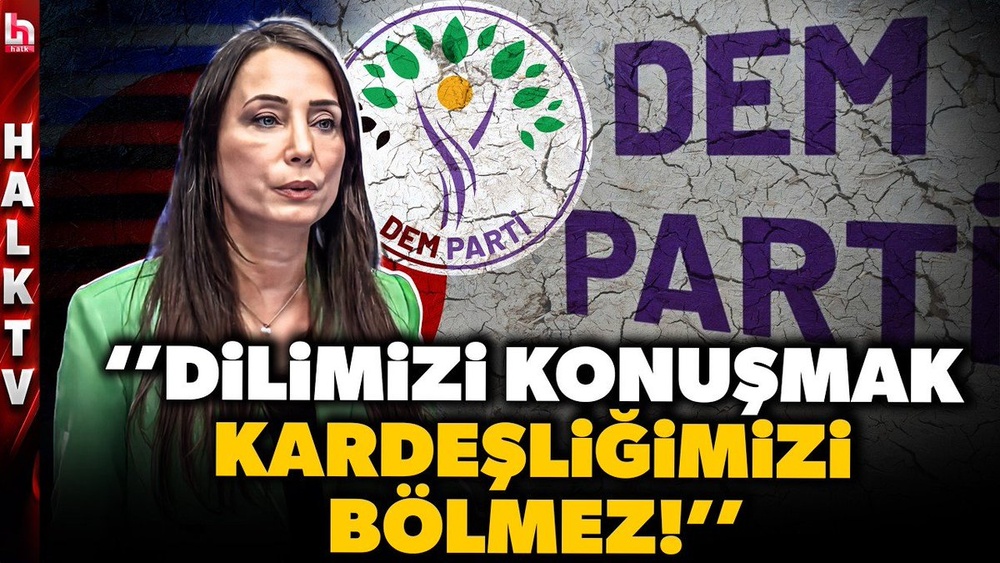
This is one of the issues that the Democrat Party wants to amend in the next legal package.Gülestan Kılıç Küçüğüt, deputy head of the Democratic Party parliamentary group, stressed that political participation and the return of individuals should be guaranteed by law and not left to the discretion of the executive and courts. A reform of the penal code could fundamentally change these restrictions, but such a reform has not yet been adopted.
If the conditions of the law are met, the cases will be permanently closed at the end of the suspension period. In investigative cases, the prosecutor issues a ban on prosecution; pending cases are closed, and a final conviction is considered legally enforceable. Therefore, this law is not just a temporary suspension of cases, but also allows for the definitive end of criminal cases covered by the law, if the conditions are met.
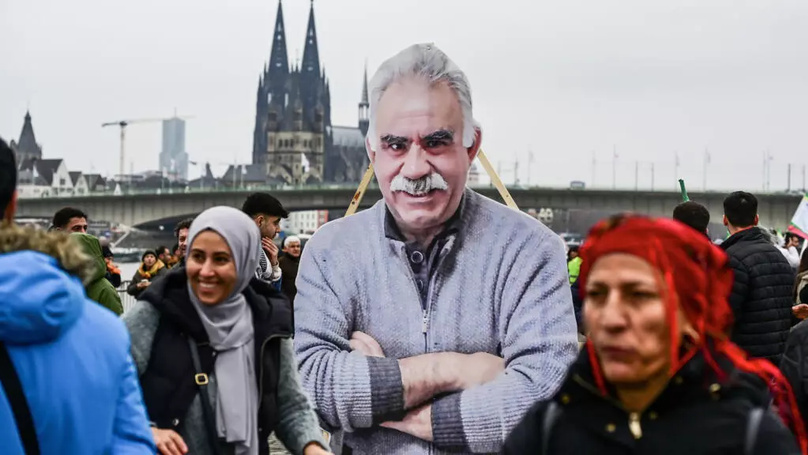
However, the law has created two important obstacles.Premeditated murder committed within the framework of organizational activity is explicitly excluded from this mechanism. Also, crimes committed before June 1, 2005 and punishable by life imprisonment or aggravated life imprisonment are not covered by the law. This clause directly affects the situation of Abdullah Öcalan. Convicted in 1999 and sentenced to aggravated life imprisonment, he cannot benefit from the suspension and release mechanism of the law. Any change in his legal status would require a separate law.
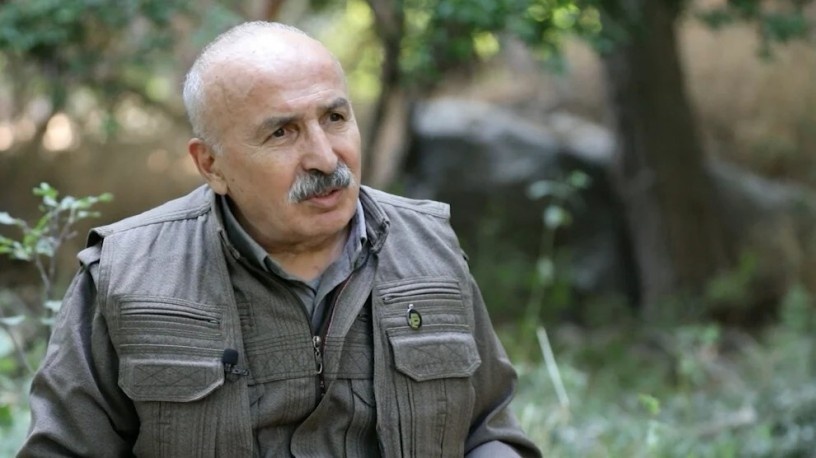
This is of particular political importance, as the new law does not define any role for Öcalan in the formal structure of the implementation of the process. However, the political current close to the PKK still considers him a central element of the process. Ramzi Kartal believes that coordination is underway with Öcalan and that the return of forces from the mountains and Europe will be difficult without his participation.Mehmet Rüstem Tiryaki, a member of the Democratic Party, also considered the lack of provisions on Öcalan's status as one of the main gaps in the law and called for it to be addressed in future laws. These views are the political positions of the Kurdish movement and have no place in the text of the law.
From this perspective, the law is not a framework for ending the Kurdish issue in Turkey. Its scope is mainly limited to disarmament, dissolution of the organization, return of members and determination of criminal cases related to the PKK. The law does not create specific commitments on language rights, political participation of Kurds, local governance structure, guardianship issue, the anti-terrorism law or Öcalan's political status.
However, Article 7 has provided the executive branch with the possibility of requesting further judicial, administrative and legal reforms. This same clause could be the basis for the second stage of the process, although there is no commitment or specific timetable for the adoption of the second package.The Democratic Party expects the next phase to begin after parliament returns in the fall. Tula Hatem Oğulları has stressed that the preparation of the National Security Council report and its publication are as important as the passage of the law, and has warned that a prolonged process could weaken it. Parliament will begin its summer recess on August 10 and return on October 1; therefore, the fall will be the most important time to consider the second package if the government moves towards further reforms.
Therefore, the critical stage of the new process begins here. First, the law must be promulgated by the presidency, then the executive bodies and operational regulations must be formed, the disarmament and dissolution of the PKK must be officially verified and approved by the National Security Council. Only after the Council’s decision is published can eligible individuals register their applications within a six-month period. Alongside this legal process, the main political issue will be whether the Turkish government, after resolving the security and judicial aspects of the issue, will also enter the phase of political and democratic reforms. For this reason, the adoption of the Framework Law should be seen more as the “beginning of the implementation phase of the agreement” than as the end of the peace process.Its success in practice will depend on three factors: how unambiguously and predictably the law is implemented, the degree of mutual trust between the government and the Kurdish side, and Ankara’s political decision on whether to link the disarmament phase to broader reforms of the Kurdish issue. If this link is achieved, the law could be the starting point for a new political process; otherwise, there is a risk that the process will be reduced to a limited agreement on disarmament and the resolution of criminal cases, without addressing the political roots of the Kurdish issue in Turkey




Your Comment