
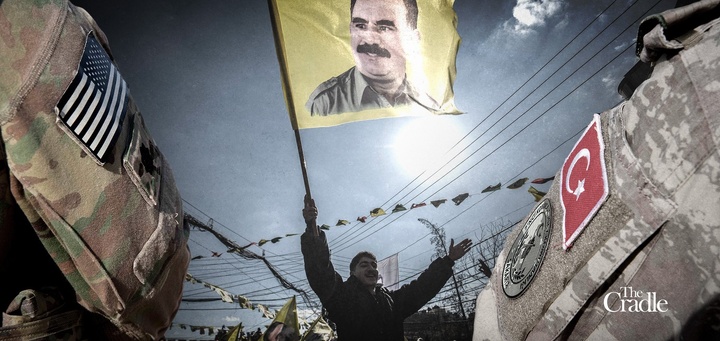
According to Kurdpress, the silence and caution of a significant part of Turkish intellectuals, academics and artists regarding the new peace process between Ankara and the PKK is rooted in bitter political experiences, deep distrust of the government and the security environment of recent years. Irfan Aktan's report shows that many Turkish elites, in contrast to the 2013-2015 negotiation period, this time avoid publicly supporting the peace process; Because they believe that supporting "peace" in Türkiye can again become a political, job and even judicial expense.
The most important reason for this silence is the memory of widespread repression after the failure of the previous peace process. After the collapse of talks between the Turkish government and the PKK in 2015, many figures who had supported the talks were arrested or removed. Its prominent example was Seri Soraya Onder, who was later imprisoned despite playing an official role in the negotiations. This experience has raised the concern among intellectuals that the government may once again sacrifice the supporters of the peace process to political changes.
In the meantime, the "Peace Universities" case has become a symbol of this mistrust. More than two thousand university professors who issued a statement in January 2016 calling for an end to the war and a return to negotiations, faced dismissal, job ban, cancellation of passports and even prison. Many of them have not yet been able to return to universities. This experience has made a large part of the academic elite prefer to remain silent about the new process so as not to be the target of security pressure again.
Hossein Chelik, one of the founders of the Justice and Development Party, also has a much more critical view and believes that the government is basically not honest in solving the Kurdish problem. He says: "The ruling party sees the issue not as a Kurdish issue, but simply as a terrorism issue. "When you don't name the problem correctly, you can't solve it." Çelik also emphasizes that there is no free space for dialogue like during the previous negotiations, and many intellectuals fear that their words today will be used against them in the future.
Another reason for the elites' hesitation is the initiation of a new process by Dolat Baghçeli, the leader of the Turkish nationalist movement. Many intellectuals don't know why a person who has had strict anti-Kurdish stances for years is now talking about the peace process and what are the real goals of this change.
Golten Kaya, a songwriter and wife of Ahmad Kaya, believes that the problem is not limited to the current environment, but has historical roots. He says that Turkish intellectuals in the past did not have enough courage to defend the peace and rights of the Kurds. According to him: "We are facing a problem that has hardened like concrete; The society has been told for a hundred years that the Kurds do not exist, and now there are whispers that maybe the Kurds do exist.
Recalling the fate of Ahmed Kaya, a Turkish Kurdish singer who was pressured and died in exile after defending the right to sing in Kurdish, he added: "Ahmed Kaya knew what price he would pay, but he still told the truth."
Soylay Chelenk, a representative of the People's Equality and Democracy Party and one of the signatories of the 2016 peace statement, also believes that the current process, unlike the previous negotiations, was not formed in a free and social atmosphere. According to him, the new process started in a situation where the government used the most severe means of repression against the opposition, and this prevented the formation of public trust.
Shaykhmus Dikan, a Kurdish writer from Diyarbakir, also says that although hope for peace has not yet disappeared in the Kurdish community, erosion and despair are increasing. He emphasizes that the slowness of the negotiation process, the continuation of the anti-Kurdish discourse and the lack of practical measures have weakened public trust.
Despite all these doubts, many Turkish intellectuals and political activists still see the peace process as the only hope to end the decades-long conflict between the Turkish government and the PKK; However, they believe that its success will not be possible without transparency, practical reforms and restoration of public trust.




Your Comment