

According to Kurdistan Press, Polat Can, an international relations researcher and former YPG commander, wrote in a note published on the Eurasia Review website, referring to the return of the first caravan of displaced families from Sarkani on August 10, 2026, that after nearly seven years away from the city, these families were faced with roadblocks, shooting, and violence from armed individuals and some of the current residents of their properties as they attempted to return to their homes and properties.
According to the researcher, this incident has revealed the main question about the integration process in Syria; whether political agreements between Damascus and the Kurds can be valid in practice if the government fails to fulfill its commitments on the ground and protect the returnees.Sarkhani; A City at the Heart of the Issue of IDP Returns
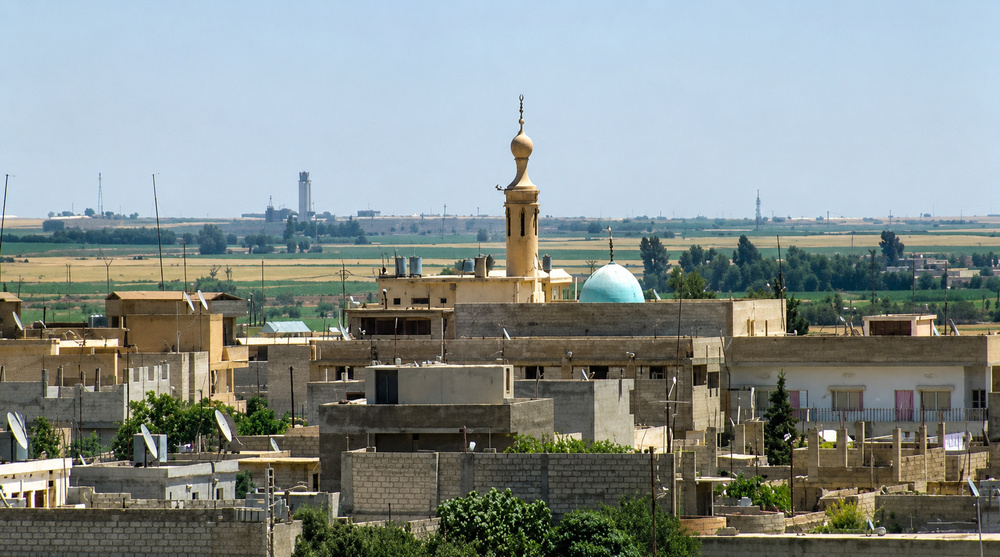
Sarkhani, called “Ras al-Ayn” in Arabic sources, is located in the northeast of Hasakah province, opposite the Turkish city of Ceylanpinar. Before 2019, the city was under the control of the Autonomous Administration of North and East Syria and was home to a large number of Kurds.
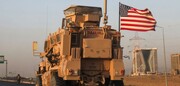
In this note, referring to the developments of 2019, Polat Can writes that after the withdrawal of American forces from the border areas, Turkey and groups affiliated with the Syrian National Army attacked Sarkhani and Garhspi. As a result of this operation, the majority of the Kurdish population of Sarkhani was forced to leave the city and their houses, lands and other properties were taken over by other individuals and groups.According to him, the problem did not stop after the end of the military operations, and in the following years, reports of looting, extortion and illegal confiscation of houses, shops and agricultural lands were published. Also, some armed forces, their families and people who had entered these areas from other parts of Syria were settled in properties belonging to the displaced.
The formation of a new situation in the properties of the displaced
The author believes that what was formed in Sarkani was not simply a temporary situation caused by the war, but rather a gradual economic and demographic structure was created in which the continued absence of the original owners benefited those who owned their houses, lands and shops.
Polatcan emphasizes that the use of the term “settled” in this context does not mean attributing a specific ethnic identity, but rather refers to the relationship of individuals to the confiscated properties.According to him, some of its current residents may have been displaced to other parts of Syria, but their displacement cannot eliminate the ownership of houses belonging to the Kurds of Sarkani.
He emphasizes that it is the responsibility of the Damascus government to find a humane solution for the displaced families who have been resettled in these properties, and that Kurdish owners should not lose ownership of their houses and lands forever in order to solve the problem of the displacement of others.
Damascus-Kurd agreements and the promise of safe return
The note continues by stating that the agreements between Damascus and the Kurdish forces were supposed to change this situation. According to the agreement of March 10, 2025, the Kurds were recognized as an inseparable part of Syria and emphasis was placed on guaranteeing their civil and constitutional rights, integrating the military and civilian institutions of northeastern Syria, and the safe return of the displaced.After the implementation of the agreement encountered difficulties and the fighting intensified again, the January 2026 agreement revived the phased integration process, and the issue of the return of refugees became an important element of trust-building between Damascus and the Kurdish-led forces.
Accordingly, Polatcan believes that Sargsyan has now become a direct test of the commitments contained in both agreements, because if the new Syrian government cannot protect the return of families who intend to return to their homes, the validity of the promises regarding integration, citizenship rights and the return of refugees will be questioned.
Warnings before the departure of the first convoy
The note emphasizes that the risk of conflict existed even before the departure of the first convoy.According to reports cited by the author, in July, individuals who identified themselves as representatives of armed tribal groups from various regions of Syria threatened to prevent the return of the original residents of Sarkani.
According to Polat Can, these individuals did not name specific tribes, but claimed to represent tribal forces in various regions of Syria and linked the return of the Kurds to Damascus’ full control over Hasakah province and the withdrawal of the Syrian Democratic Forces.
Some of these individuals also threatened violence if the Kurds returned before their political demands were met.
The First Caravan and the Confrontation with Violence
After months of planning, the first convoy of displaced families set off from Hasakah towards Sarkani.The families had lived in camps, rented houses and temporary settlements for nearly seven years and were now planning to return to the houses, shops and land they had owned before they were displaced.
During the return, groups of current residents and armed men prevented them from entering. According to the author, some armed men attacked the returnees, shots were fired at their vehicles, and a number of vehicles and buses were damaged.
Images released from the convoy also showed families trapped inside their vehicles; among them were women, children and the elderly, who expected their return to take place within the framework of the agreements reached and with the protection of the authorities.
Kurdish trust; a result of Damascus’s performance
In the final section of the note, the author emphasizes that the Syrian Kurds’ distrust of the integration process cannot be seen simply as opposition to the integrity of Syria.
The main issue, he writes, is the order of demands; the Kurds are being asked to cede a significant portion of their military, security, and administrative autonomy before Damascus can prove its ability to protect them from armed groups operating within or around the new state structure.
In Polat Can’s view, Sargsyan should not become a humanitarian side file to be dealt with after the integration process is complete; rather, the city is one of the main criteria for measuring the credibility of the integration process itself.Conclusion
The note concludes that the gap between the agreements signed in Damascus and the reality of power on the ground will only be reduced by practical measures, including the safe return of displaced Kurdish families, the return of homes and land, the dismantling of informal armed structures, and the accountability of all perpetrators of violence and looting.
If Damascus can fulfill these responsibilities, Sargsyan could become a sign of the ability of the new Syrian order to redress some of the injustices created by the occupation. But if the new government fails in this regard, the result will be a deepening perception that Damascus expects the Kurds to trust the integration process before it has earned their trust.
Source: Eurasia Review – Note by Polat Jan




Your Comment